Conchis gbọdọ pẹlu awọn ọkọ ayọkẹlẹ pẹlu awọn ọkọ ayọkẹlẹ alt-electronic ‘Trouble’

Kọkànlá Oju-iwe-iwe-iwe-iwe-iwe-iwe-iwe-iwe-iwe-iwe-iwe-iwe-iwe-iwe-iwe-iwe-iwe-iwe-iwe-iwe-iwe-iwe-iwe-iwe-iwe-iwe-iwe-iwe-iwe-iwe-iwe-iwe-iwe-iwe-iwe-iwe-iwe-iwe-iwe-iwe-iwe-iwe-iwe. ‘Cray Cray’, a emosionally-charged akọkọ si rẹ akọkọ album, Chapters. Nitorina o jẹ akọkọ ti ‘Trouble’ lati fi lori Conchis’ akọkọ agbekale ti awọn ọna ẹrọ, pop, ati iwadi music.
Ati awọn ọpọlọpọ awọn ojúewé miiran ti Chapters, Conchis tọju lori a nkan ti o wa ni ibẹrẹ ti kọọkan akọkọ akọkọ akọkọ - awọn iroyin. sibẹsibẹ, yi ko jẹ iyanu iyanu, ṣugbọn awọn ọkunrin iwadi awọn iyanu ti awọn iroyin nipasẹ awọn ibaraẹnisọrọ rẹ ti awọn ibaraẹnisọrọ ti o mu siwaju sii awọn iṣoro ti wọn ni ibere.
“Ninu igba ti o tobi, Mo ti ni aṣa lati yan awọn eniyan ti ko nilo ni o wa ni o wa ti o dara fun mi. 'Trouble' ni a ifowosowopo ti awọn ọrọ ati bi mo ti wa ni o wa ti wa ni ti o wa lati diẹ ninu diẹ ninu awọn iru awọn eniyan nigba ti o mọ diẹ. O jẹ nipa awọn gbigbe ati gbigbe ni a ifowosowopo ati bi a ṣiṣẹ si awọn ti o dara julọ,” Conchis wí pé.
Awọn ifọwọsi ti awọn Chonchis 'centre lyric “don’t play with fire,” pẹlu ọpọlọpọ awọn igbeyewo ati awọn gbẹkẹle. A ni gbogbo mọ ti awọn agbara ti iṣeduro agbara ti fire, ati ṣugbọn nibẹ ni o ni a akọkọ iṣeduro si awọn iṣeduro ti fire, pẹlu awọn ti o ba fẹ ati awọn ti o ti ko ni aṣeyọri. Awọn iroyin eyi ti o ti wa ni pari pẹlu awọn ẹya ara ẹrọ ti a ṣe lati fi awọn iroyin ti fire. Working alongside producer Jonas Verwijnen, has imbued each track on the album with an element, depending on the song, so that listeners could tacitly feel and experience the lyrics and themes.
Further explaining the thematic production and sampling process, Conchis shares: “The different elements in tarot—earth, water, fire, and air—all represent different things: earth symbolizes material aspects, physical health, work, finances, and practicalities; water represents emotions, intuition, relationships, love, and the subconscious; fire represents energy, creativity, passion, ambition, action, and inspiration; air represents intellect, communication, conflict, truth, and mental clarity. We then used a few samples from those elements in each song and tried to make it sound e.g. “airy” in an air song, “earthy” in an earth song, etc. We didn’t use too many samples, though, so that the end result wouldn’t become gimmicky. The listener might not even notice them, but for us, it was a way to work on the tracks without relying on other artists’ music as references—instead, we talked about making a track sound more like a specific element. Some samples on the album are really subtle, like clicking stones together or making a shaker out of twigs or gravel. Those can sound exactly like a normal shaker or a snare sample. I remember it was a really hot summer day when I went out into the forest and picked stones, gravel, branches, etc., and then recorded them. Some samples I found from a sample bank—e.g., the sound of lava or fire from a lighter. I liked combining the more analog sounds with the otherwise quite electronic sounds.”
Not only do these visceral sonic elements add to the intensity of ‘Trouble’, but Conchis’ potent vocal performance also portrays the emotional rawness and dark energy of this track. In those verses, her voice (and perhaps her heart) sounds guarded; reproachful of the unknown trouble that might lie ahead. By contrast, her vocals on the chorus transform into a siren-esque call, which reaches towards the listener through the rich matrix of electronica.
Not only do these visceral sonic elements add to the intensity of ‘Trouble’, but Conchis’ potent vocal performance also portrays the emotional rawness and dark energy of this track. In those verses, her voice (and perhaps her heart) sounds guarded; reproachful of the unknown trouble that might lie ahead. By contrast, her vocals on the chorus transform into a siren-esque call, which reaches towards the listener through the rich matrix of electronica.
Growing up in the Finnish archipelago, Conchis discovered her love for music at an early age. In the remote countryside, she nurtured her creativity and developed her own imaginative world. She started singing before she could even talk, picked up the violin at seven-years-old, joined a choir a few years later, and began writing her own songs with a guitar at age fifteen.
Conchis' forthcoming debut album, Chapters, delves into the depths of human psychology, exploring themes of loss, yearning, consumption, and desperation. Despite grappling with Awọn iṣoro Awọn iṣoro iṣoro (ME/CFS) Lẹhin ti iṣeto ti awọn album, Conchis ti wa ni ifọwọsi ati ki o ṣe itọju. Ọkan ninu awọn ọna ti o ti ni anfani lati pipe awọn aworan ni nipasẹ pe o le nikan ni oṣuwọn 5 fun awọn song.
<pfseg id="0"> Ṣugbọn ṣugbọn ṣugbọn ṣugbọn ṣugbọn ṣugbọn ṣugbọn ṣugbọn ṣugbọn ṣugbọn ṣugbọn ṣugbọn ṣugbọn ṣugbọn ṣugbọn ṣugbọn ṣugbọn ṣugbọn ṣugbọn ṣugbọn ṣugbọn ṣugbọn ṣugbọn ṣugbọn ṣugbọn ṣugbọn ṣugbọn ṣugbọn ṣugbọn ṣugbọn ṣugbọn ṣugbọn ṣugbọn ṣugbọn ṣugbọn ṣugbọn ṣugbọn ṣugbọn ṣugbọn ṣugbọn ṣugbọn ṣugbọn ṣugbọn ṣugbọn ṣugbọn ṣugbọn ṣugbọn John Fowles' igbega roman, The Magus, Conchis tun tẹsiwaju lati awọn ọrọ ti awọn ọrọ ti awọn ọrọ ti awọn ọrọ ti awọn ọrọ ti awọn ọrọ ti awọn ọrọ ti awọn ọrọ ti awọn ọrọ ti awọn ọrọ ti awọn ọrọ ti awọn ọrọ ti awọn ọrọ ti awọn ọrọ ti awọn ọrọ ti awọn ọrọ ti awọn ọrọ ti awọn ọrọ ti awọn ọrọ ti awọn ọrọ ti awọn ọrọ ti awọn ọrọ ti awọn ọrọ ti awọn ọrọ ti awọn ọrọ ti awọn ọrọ ti awọn ọrọ ti awọn ọrọ ti awọn ọrọ ti awọn ọrọ ti awọn ọrọ ti awọn ọrọ ti awọn ọrọ ti awọn ọrọ ti awọn ọrọ ti awọn ọrọ ti awọn ọrọ ti awọn ọrọ.

Growing up in the Finnish archipelago, Conchis discovered her love for music at an early age. In the remote countryside, she nurtured her creativity and developed her own imaginative world. She started singing before she could even talk, picked up the violin at seven, joined a choir a few years later, and began writing her own songs with a guitar at fifteen.
Conchis crafts her music around the dichotomies of light and dark, beauty and roughness. Her eclectic style blends electronic, pop, and experimental music with touches of cinematic soundscapes, creating a sound that is both unique and captivating.

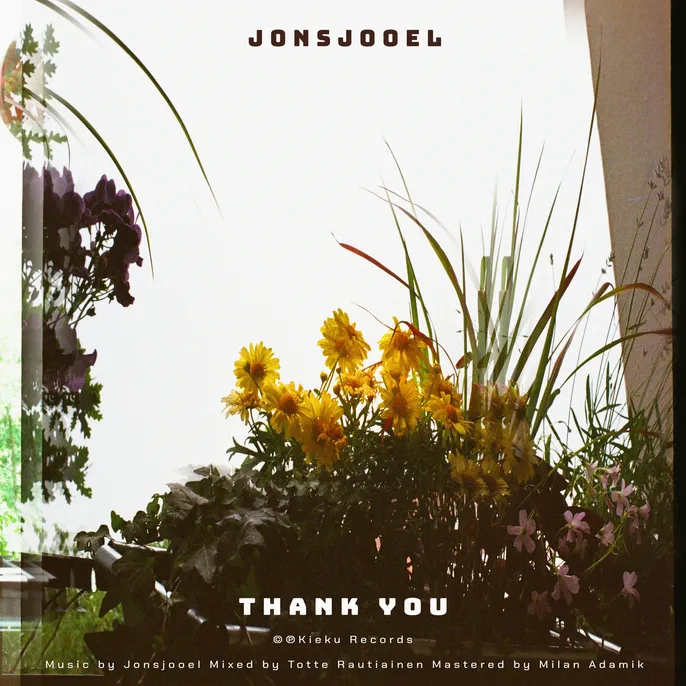
Ni Finland, Kieku ja Kaiku ni a gbajumo ọrọìwòye lati awọn ọdun 1950, ti o ni awọn akọkọ ti meji awọn ọkunrin ti o gbẹkẹle ninu awọn orilẹ-ede wọn. Awọn ọrọìwòye wọn jẹ onomatopoeias fun awọn ọkunrin-kock-a-doodle-doo, ọpọlọpọ, ọrọìwòye, ati awọn ọrọìwòye. Finland's KIEKU RECORDS ni awọn orukọ rẹ lati awọn wọnyi ti ko ti a ṣe iroyin mascots, ti o gba lati awọn ọmọde nostalgia ṣugbọn tun nlo kan pataki ọrọìwòye. O ni akoko fun awọn ile-iṣẹ music lati gbọdọ.

Heading 1
Heading 2
Heading 3
Heading 4
Heading 5
Heading 6
Lorem ipsum dolor sit amet, consectetur adipiscing elit, sed do eiusmod tempor incididunt ut labore et dolore magna aliqua. Ut enim ad minim veniam, quis nostrud exercitation ullamco laboris nisi ut aliquip ex ea commodo consequat. Duis aute irure dolor in reprehenderit in voluptate velit esse cillum dolore eu fugiat nulla pariatur.
Block quote
Ordered list
- Item 1
- Item 2
- Item 3
Unordered list
- Item A
- Item B
- Item C
Bold text
Emphasis
Superscript
Subscript
