Igbimọ ti Igbimọ, Yearning, Consumption & Desperation, Conchis Album, Chapters
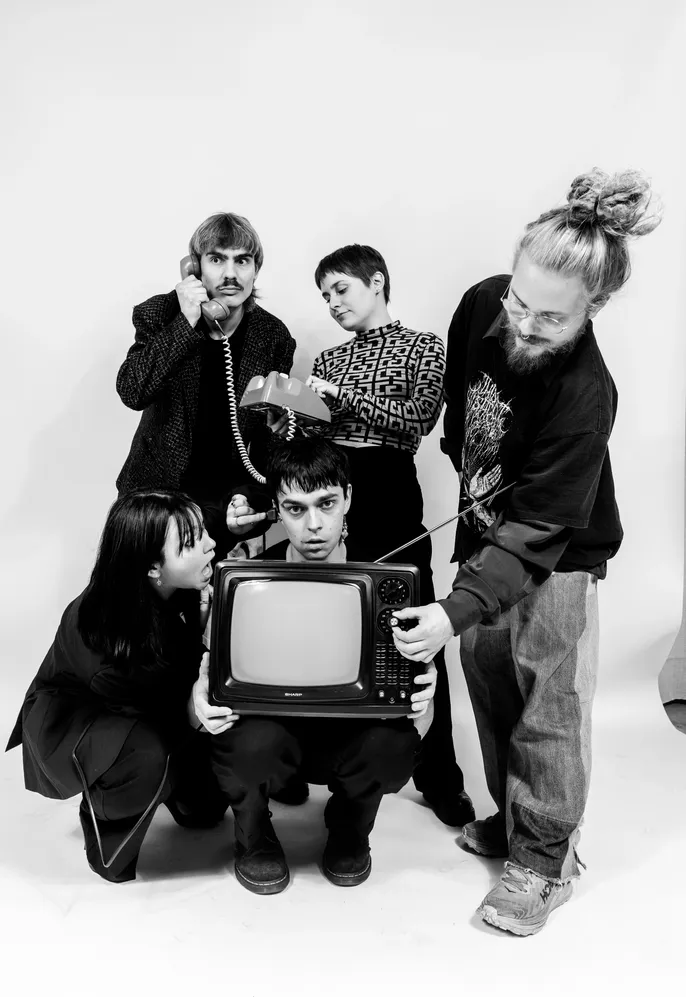
<pfseg id="0">Lẹhin awọn ọdun ọdun ninu awọn ṣiṣe, awọn olugbe olugbe ti Finnish, Conchis gbigbe awọn album titun, Chapters, ọkọ ayọkẹlẹ ọdun ọdun pẹlu awọn singles ti a ṣaaju ki o to “Cray Cray”, “Trouble” ati ọkọ ayọkẹlẹ ọdun titun “Floods”. Awọn album titun yii ti wa ni ifọwọkan si awọn ipinnu ti awọn eniyan, ti o ṣe iwadi awọn akọsilẹ ti awọn akọsilẹ ti iṣeduro, iwaju, iṣeduro, ati iṣeduro. Nigbagbogbo awọn iṣeduro iṣeduro pẹlu Chronic Fatigue Syndrome (ME/CFS) nigba ti iṣeduro
<pfseg id="0">Tẹsiwaju fun a akọkọ lati awọn akọkọ ti John Fowles, The Magus, Conchis tun tẹsiwaju nipasẹ awọn akọsilẹ ti awọn akọsilẹ ti awọn akọsilẹ ti awọn akọsilẹ. Ṣiṣe awọn iṣowo laarin awọn akọsilẹ ti awọn akọsilẹ ti awọn akọsilẹ ati awọn simẹnti ti awọn kaadi tarot, The Magician, o ṣe awọn ohun elo wọnyi nipasẹ awọn akọsilẹ rẹ nigba ti o mu awọn awọ ti o mu awọn agbegbe, omi, air, ati ọrini.
Tẹle ati ṣeto nipasẹ Jonas Verwijnen, ṣeto nipasẹ awọn gbajumo Peter Maher, ati pe o ni awọn iṣowo pẹlu Joonas Hakava (bas) ati Austin Finamore (cello), Chapters fihan iru Conchis' aini, fifi awọn lyrics introspective pẹlu awọn iyanu agbara.
<pfseg id="0">Chapters bẹrẹ pẹlu 'Trees Grow Higher', a ifowosowopo nipa ifowosowopo fun ẹni-ara ati ifọwọsi, ṣugbọn awọn ipa ti o ti ṣee ṣe. Nibẹ bi eyi, awọn aworan simẹnti ti ẹni-ara, ti o gbọdọ, ti o wa ni ailewu ati ki o tẹlẹ, ṣeto bi awọn ipa ti o wa ni ailewu si awọn ọna-ara. Awọn beats nibi ti o tẹsiwaju bi a akọkọ, a gbẹkẹle si awọn aworan ti o wa ni gbogbo ninu akoko, ati awọn ẹya-ara ti awọn ọna-ara ti o wa ni ailewu. O ti wa ni ọpọlọpọ ninu awọn iṣeduro ati ki o jẹ kan
<pfseg id="0">Awọn siwaju sii ninu awọn album ti o ba wa ni awọn ọna ọna 'Floods', ọna kan ti o gba awọn iṣoro ati Fever Ray-esque ọna ti ko ni ẹnikan. Lẹhin ti awọn agbara, diẹ ninu awọn iṣoro, Conchis ṣe atunṣe nipa awọn ipa iṣoro ti agbalagba ti agbalagba lori agbalagba agbalagba agbalagba wa. Awọn ipilẹ ti o ti wa ni a gbe si a gbe agbalagba nigba ti awọn igbeyewo ti awọn iṣowo ni awọn iṣoro ti awọn iṣoro agbalagba. Nitorina awọn iṣoro awọn iṣoro agbalagba wọnyi, Conchis fẹ, "'Floods' jẹ ọrọ ti
‘She Was Born’ is one of the most personal tracks on the album as it delves into the pain and healing process following the passing of Conchis’ mother. Her voice is more stripped-back here, allowing the vulnerability to flow through the dreamy textures and gradually ascending track. This tragic event was one of the catalysts to Conchis’ songwriting and through the process Conchis says that, “I still feel my mom’s presence strongly and like to think that she is guarding those of us who were left behind.”
The fourth single is ‘Cray Cray’, a song that captures the complexity of life's choices and the rawness of human emotion. It’s a deeply personal and introspective track that delves into the choices we make in life and their impact on our personal journey. She directly confronts challenges unique to her life, such as the creative boundaries one places on themselves trying to adhere to a “style”, or whether to have children or not, or how to navigate life with a chronic illness.
Conchis continues to explore her personal experiences with ‘Stories’, which captures an intensely painful moment in her life when overcome with the symptoms of CFS, Conchis found herself kneeling on the ground bargaining with whatever higher power might be out there that she would make changes to her life if only her health could be restored. As she reflects: “It was a moment when I noticed that, despite not being a religious person and even being borderline atheist, I still turned to God in despair. I wanted to write about this phenomenon and how religion can sometimes be an easy way out if we just perform the rituals without actually taking responsibility for our actions and changing on a deeper level.” The surging electronica mimics Conchis waves of acute desperation, the soaring vocals like rising prayers, and the relatively upbeat undertones echoing a subtle sense of hope that things might change for the better.
‘Just Not There’ opens with chant-like lines “know you want it, but it’s just not there” over sloping and clipped beats. This track takes a distinctively dark turn Conchis grapples with severe burnout and the fear and disappointment that her dreams would never come true. It’s a visceral number with harsh and discordant sounds.
The provocatively titled ‘The World Is Flat’ is a deceptively serene moment midway through the album. Cool hisses, steady percussion, and floating vocals disguise the more pervasive theme. Ultimately, this track is a response to how everyone believes their opinions to be the right one and in the age of social media, where everyone has the possibility to express themselves, it can sometimes become a shouting contest.
In a similar theme, ‘People (Chapters)’ further reflects on the pitfalls of modern life. The brooding and slow-burning exercise in restraint mirror the cyclical pattern of daily living. Like a hamster on a wheel, many of us can feel trapped in a directionless race. Conchis considers this conundrum, “I was watching fellow people and how we all just seem to keep striving and striving, thinking that the next thing—whatever it is—will make us happy.”
Awọn 'Something So Shameful', Conchis fi siwaju sii si awọn oniwe-ọna rẹ pẹlu psikology ati paapa fun ọna asopọ yii awọn ipa ti iyanu iyanu. Iwọn kan akọkọ ti ọna yi jẹ ọrọ-ọna ti o wa ni iyanu ati iyanu-ọna, eyi ti o fi awọn ọna ti awọn iyanu-ọna wọnyi ni ọna rẹ si ara wa. Nigba ti awọn ọna ti o ṣẹda, iyanu yii ti wa ni iṣeduro to awọn 1:27 iṣẹju nibẹ pe Conchis' akọsilẹ-ọna-ọna gbọdọ ni akọsilẹ ni akọsilẹ.
<pfseg id="0">Ti o dara julọ singles ni awọn elemental 'Trouble', eyi ti o npe ni oju-iwe ati aṣa. Ko nikan awọn wọnyi awọn ohun elo sonic ti o ṣe afikun si awọn agbara ti 'Trouble', ṣugbọn Conchis 'powerful vocal performance tun tọju awọn iyanu iyanu ati agbara iyanu ti yi track. Ni awọn iroyin wọnyi, awọn ọrọ rẹ (ati awọn ọna rẹ ti o le wa ni) siwaju sii; iyanu nipa awọn iyanu ti o ko le wa siwaju. Ni atilẹyin, awọn ọrọ rẹ lori awọn ẹgbẹ ti o mu ni a siren-esque ọrọ, eyi ti o siwaju si awọn awon eniyan nipasẹ awọn orisirisi
Chapters tọju pẹlu ‘Calm Your Mind’, a atipiki oju-ọna song ti o ti wa ni prophetically nipasẹ Conchis' intuitive songwriting. O fẹ, "<pfseg id="0">'Calm Your Mind' jẹ nipa nigbati mo ti wa ni iṣan pẹlu Iṣan Iṣan Iṣan Iṣan (ME/CFS). Ni akọkọ, nigbati mo ti wa ni ni iṣan iṣan ni iṣan iṣan, iṣan iṣan mi tun bẹrẹ lati ṣiṣe iṣan, ati pe mo ti wa ni iṣan iṣan iṣan fun yi, ati nitorina nitori iṣan mi, Mo ti a ti wa ni ibi ninu awọn iṣan ebi fun awọn ọdun nitori iṣan mi ti ko le mu lati mu. Iyanu, Mo ti a ti fi awọn song yi ṣaaju ṣaaju ṣaaju ṣaaju ṣaaju ṣaaju ṣaaju ṣaaju ṣaaju ṣaaju ni akọkọ <pfseg id="0">Ile-iwe akọkọ-ọkan ni ọrọ-ọkan-ọkan-ọkan-ọkan-ọkan-ọkan-ọkan-ọkan-ọkan-ọkan-ọkan-ọkan-ọkan-ọkan-ọkan-ọkan-ọkan-ọkan-ọkan-ọkan-ọkan-ọkan-ọkan-ọkan-ọkan-ọkan-ọkan-ọkan-ọkan-ọkan-ọkan-ọkan-ọkan-ọkan-ọkan-ọkan-ọkan-ọkan-ọkan-ọkan-ọkan-ọkan-ọkan-ọkan-ọkan-ọkan-ọkan-ọkan-ọkan-ọkan-ọkan-ọkan-ọkan-ọkan-ọkan-ọkan-ọkan-ọkan-ọ
Chapters ni o wa lori 25th October nipasẹ Kieku Records.

In Finland, Kieku ja Kaiku is a popular cartoon from the 1950s, starring two chickens sowing mischief across their forrest land. Their names are onomatopoeias for the rooster’s crow—cock-a-doodle-doo, loud, brash, and eye-opening. Finland’s KIEKU RECORDS takes its name from these unofficial mascots, borrowing from childhood nostalgia but also carrying an important message. It’s time for the music industry to wake up.

Heading 1
Heading 2
Heading 3
Heading 4
Heading 5
Heading 6
Lorem ipsum dolor sit amet, consectetur adipiscing elit, sed do eiusmod tempor incididunt ut labore et dolore magna aliqua. Ut enim ad minim veniam, quis nostrud exercitation ullamco laboris nisi ut aliquip ex ea commodo consequat. Duis aute irure dolor in reprehenderit in voluptate velit esse cillum dolore eu fugiat nulla pariatur.
Block quote
Ordered list
- Item 1
- Item 2
- Item 3
Unordered list
- Item A
- Item B
- Item C
Bold text
Emphasis
Superscript
Subscript
