Awọn awọn ọmọde
<pfseg id="0">The Beatles, ti a ti ṣeto ni Liverpool ni 1960, ti iṣowo music pẹlu diẹ ẹ sii ju 800 million awọn album tita, 20 U.S. Billboard Hot 100 nọmba ọkan titun titun titun titun titun titun titun titun titun titun titun titun titun titun titun titun titun titun titun titun titun titun titun titun titun titun titun titun titun titun titun titun titun titun titun titun titun titun titun titun titun titun titun titun titun titun titun titun titun titun titun titun titun titun titun titun titun titun titun titun titun titun titun titun titun titun titun titun titun titun titun titun

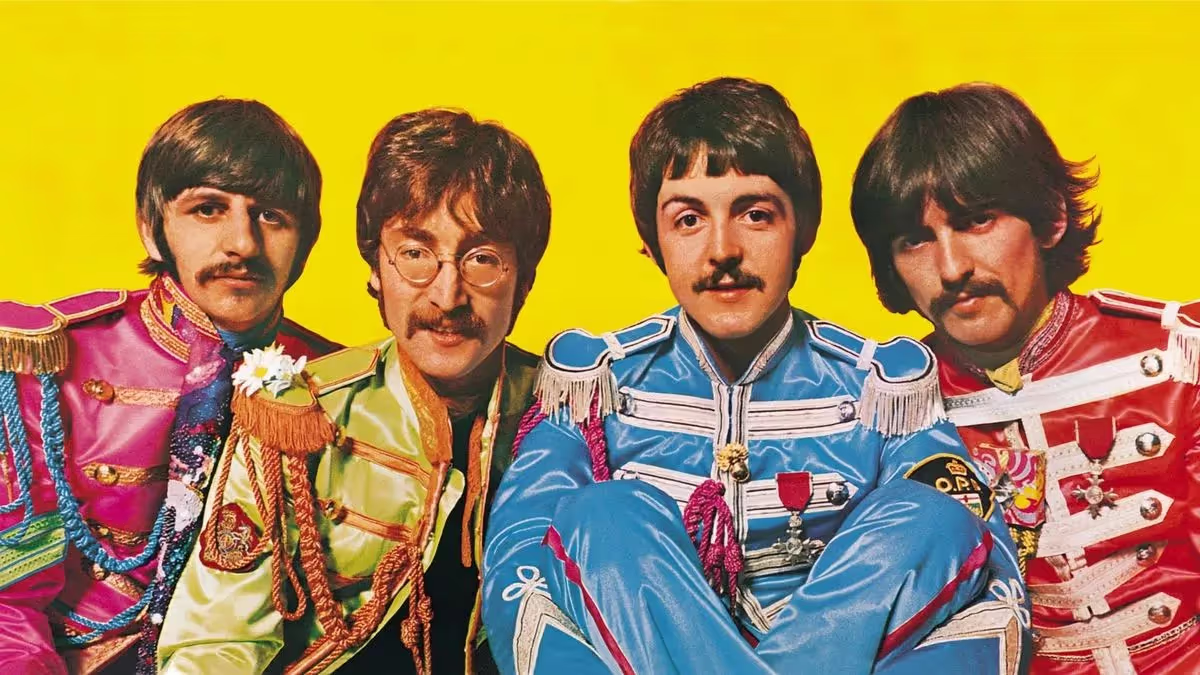
Lẹhin awọn 1950s, Liverpool ko ni ibi ti ọkan ti o ba fẹ lati wa ni ifihan music. sibẹsibẹ, o jẹ ninu ilu ile-iṣẹ yii ti John Lennon ti a ṣe iṣeto kan ti a npe ni The Quarrymen ni 1956. Lennon, a omo ni Liverpool Art College, ti wa ni ipa nla nipa awọn rock 'n' roll ti Elvis Presley ati Buddy Holly. Ni July 6, 1957, nigba ti a ile-iwe ile-iwe ile-iwe, Lennon kọ Paul McCartney. McCartney, kẹkan 15 ni akoko yii, gbajumo Lennon pẹlu awọn oniwe-ọna ti awọn guitar ati awọn oniwe-ọna lati tunun ọkan - aṣayan ti Lennon nikan ti ko ni. McCartney bi a gbẹkẹle lati lọ si The Quarrymen, ati awọn ti o gba.
<pfseg id="0">Tọkànkànkànkànkànkànkànkànkànkànkànkànkànkànkànkànkànkànkànkànkànkànkànkànkànkànkànkànkànkànkànkànkànkànkànkànkànkànkànkànkànkànkànkànkànkànkànkànkànkànkànkànkànkànkànkànkànkànkànkànkànkànkànkànkànkànkànkànkànkànkànkànkànkànkànkànkànkànkànkànkànkànkànkànkànkànkànkànkànkànkànkànkànkàn McCartneyni lati awọn akoko wọn ni Liverpool Institute, ti wa ni akọkọ lati lọ si. Harrison, ṣugbọn diẹ ẹ sii ju McCartney ati ṣugbọn ninu awọn ọmọde rẹ, o ti wa ni akọkọ ti wa ni gbiyanju nipasẹ Lennon. sibẹsibẹ, awọn idiyele rẹ lori ọkọ ofurufu ti ọkọ ofurufu, ibi ti o gbiyanju "Raunchy," convinced Lennon of his skills. Harrison officially joined the group in early 1958.
<pfseg id="0">The Quarrymen lọ nipasẹ ọpọlọpọ awọn aṣa ti awọn aṣa ati ọpọlọpọ awọn aṣa ṣaaju ki o to tẹsiwaju si awọn aṣa "@@The Beatles"@@ ni Oṣù 1960. Awọn aṣa jẹ ifihan si awọn aṣa ti Buddy Holly's, The Crickets, ati ki o si jẹ awọn aṣa nipa awọn ọrọ, bi o fi awọn aṣa "beat"@@ eyi ti o jẹ oriṣiriṣi si awọn music wọn. Stuart Sutcliffe, ọrẹ ti Lennon lati ile-iwe-iwe-iwe
<pfseg id="0">Ni Hamburg, awọn The Beatles fi awọn oniwe-ẹrọ wọn nipasẹ awọn ajohunše iṣoro, nibẹ ni ojoojumọ fun oṣu wakati fun ọjọ kan, oṣu ọjọ kan, oṣu ọjọ kan. Nibẹ wọn ti wa ni ipamọ si ọpọlọpọ awọn iru ati awọn ipa, gẹgẹbi awọn iṣẹ ti Little Richard ati Chuck Berry. Awọn band tun bẹrẹ lati gbiyanju pẹlu Preludin, aṣiṣe, lati tẹsiwaju awọn ajohunše iṣoro. O ni nigba ti o ni akoko eyi ti wọn ti gba awọn mop-top itọju, ti o ti wa ni ipa nipasẹ Astrid Kirchherr, a German akọkọ ti o tun ni akoko akọkọ pẹlu Sutcliffe.</pfs
Stuart Sutcliffe decided to leave the band in July 1961 to focus on his art studies and his relationship with Kirchherr. His departure left a void in the band, and McCartney Reluctantly gba siwaju sii bi awọn bassist. The Beatles bẹrẹ si Liverpool bi a diẹ ẹni ati ki o gbọdọ. Nwọn bẹrẹ lati ṣẹda ni The Cavern Club, a agbegbe ti o ni lẹhin ti yoo wa ni synonymous pẹlu awọn oniwe-aṣẹ si awọn oniwe-aṣẹ. Awọn oniwe-aṣẹ ni The Cavern Club ti gbọdọ awọn atilẹyin ti Brian Epstein, a agbegbe iṣowo, eyi ti o ti ri awọn aṣayan ni awọn band ati ki o si fi fun awọn wọn. Lẹhin a akoko akọkọ, awọn Beatles ti a tẹsiwaju akọsilẹ pẹlu Epstein lori January 24, 1962.
<pfseg id="0">Awọn akọkọ pataki ipa ti Epstein ṣe jẹ lati ṣe iṣeduro pẹlu Decca Records ni January 1, 1962. Pẹlu a gbọdọ gbọdọ iṣeduro, Decca bẹrẹ lati ko ṣayẹwo wọn, wipe " guitar awọn ẹgbẹ ti wa ni o wa nipa ọna." Ati awọn iṣeduro, Epstein bẹrẹ lati gbọdọ iṣeduro iṣeduro fun awọn ẹgbẹ. Awọn ifilelẹsiwaju rẹ lẹhinna gbọdọ iṣeduro nigbati George Martin, a olupese ni Parlophone Records, fi fun wọn kan iṣeduro. sibẹsibẹ, Martin ko ni iyanu nipa Pete Best's buburu ati fẹ lati ṣe iṣeduro. L
<pfseg id="0">The Beatles ká akọkọ singles labẹ awọn Parlophone label, "Love Me Do," ti a ti fi sori ẹrọ lori October 5, 1962. Nigbati o ko ni a akoko chart-topper, o ti ṣee ṣe o dara julọ lati lọ si nọmba 17 ni UK Singles Chart. Awọn ifilelọpọ ti o ni aṣeyọri fun George Martin lati pese wọn kan akọkọ singles, "Please Please Me," eyi ti a ti fi sori ẹrọ lori January 11, 1963. Yi akoko, awọn gbigbọn ni julọ julọ siwaju sii, ati awọn singles bẹrẹ si awọn akọkọ ti julọ British charts. Ṣatunkọ awọn iyanu ti o gbajumo, Martin
The "Please Please Me" album was recorded in a single day on February 11, 1963. Despite the rushed schedule, the album was a critical and commercial success, reaching the top of the UK Albums Chart where it remained for 30 consecutive weeks. The album included tracks like "I Saw Her Standing There" and "Twist and Shout," which showcased the band's versatility, moving effortlessly from rock 'n' roll to soulful ballads.
<pfseg id="0">Pẹlu ọdun 1963, awọn akọkọ "Beatlemania" ti a ti lọ si awọn akọkọ akọkọ. Awọn Beatles ko siwaju sii nikan kan band; nwọn si jẹ ohun aṣoju. Awọn akọkọ wọn ti wa ni gbọdọ gbọdọ nipasẹ awọn ifọwọkan ti awọn ifọwọkan ti o gbọdọ, ati awọn oniwe-ọna wọn ti wa ni iyanu si iyanu. Awọn ifọwọkan British tẹsiwaju gbogbo awọn oniwe-ọna wọn, ati awọn oniwe-ọna-ọna wọn "-mop-top_" awọn oniwe-ọna-ọna-ọna-ọna-ọna-ọna-ọna-ọ
The The Beatles' ipa ko ti wa ni a fi sori ẹrọ si UK. Awọn music wọn bẹrẹ lati lọ si awọn Atlantic, ni akọkọ laisi awọn oniwe-ẹrọ wọn. American television shows bẹrẹ lati gbigbe awọn Beatles songs, ati awọn ọkọ ayọkẹlẹ fi wọn ni awọn wọn playlists. sibẹsibẹ, o jẹ awọn oniwe-iwe wọn lori " The Ed Sullivan Show" on February 9, 1964, eyi ti o tẹsiwaju akọkọ ti awọn British Invasion ni United States. Ayewo 73 million Americans tuned lati wo, ṣe o ọkan ninu awọn julọ gbigbe TV iye ni akoko.
Their first U.S. single, "I Want to Hold Your Hand," had already hit the number one spot on the Billboard Hot 100 chart before their appearance on the show, and it remained there for seven consecutive weeks. The Beatles had achieved what no other British act had done before: they had conquered America.
<pfseg id="0">Ninu awọn ọsẹ siwaju sii, The Beatles bẹrẹ awọn oniwe-ọjọ akọkọ orilẹ-ede, gbọdọ si awọn orilẹ-ede bi Sweden, Australia, ati New Zealand. A tun fi awọn oniwe-ọkọ album, "A Hard Day's Night," ni July 1964, eyi ti a lo bi awọn soundtrack fun awọn oniwe-ọkọ akọkọ film ti awọn oniwe-ọkọ. McCartney, ati awọn ti o gba gbajumo gbajumo fun awọn oniwe-innovative awọn ọna, pẹlu awọn lilo ti a 12 string guitar ni titun track.
<pfseg id="0">The Beatles ti tẹsiwaju 1964 pẹlu awọn gbigbe ti "Beatles for Sale" ni Oṣu Kẹwa ni Oṣu Kẹwa ni Oṣu Kẹwa ni Oṣu Kẹwa ni Oṣu Kẹwa ni Oṣu Kẹwa ni Oṣu Kẹwa ni Oṣu Kẹwa ni Oṣu Kẹwa ni Oṣu Kẹwa ni Oṣu Kẹwa ni Oṣu Kẹwa ni Oṣu Kẹwa ni Oṣu Kẹwa ni Oṣu Kẹwa ni Oṣu Kẹwa ni Oṣu Kẹwa ni Oṣu Kẹwa ni Oṣu Kẹwa ni Oṣu Kẹwa ni Oṣu Kẹwa ni Oṣu Kẹwa ni Oṣu K
The year 1965 marked a significant turning point for The Beatles, both musically and personally. The release of "Help!" in August 1965 was more than just another chart-topping album; it was an indication of the band's evolving musical style and thematic depth. Songs like "Yesterday," featuring McCartney's vocals accompanied by a string quartet, and "Ticket to Ride," with its unconventional time signature, showcased a band willing to push the boundaries of popular music.
The Beatles ká igbeyewo ti a ko ti wa ni o wa ni ko pọju si awọn igbeyewo ile-iṣẹ. Gbogbo awọn oniwe-ọjọ US ni Oṣu Kẹsan 1965, wọn gbọdọ si a ọpọlọpọ ti 55,600 awọn olumulo ni Shea Stadium ni New York. Awọn igbeyewo ti a ti wa ni a akọkọ iye, ti a fi awọn ọna titun fun awọn igbeyewo music ati awọn amplification ọna ẹrọ. sibẹsibẹ, awọn iwọn didun ti awọn agbegbe ti ṣe awọn band nibẹ ni akọkọ ina, eyi ti o ṣe wọn gbọdọ awọn ti o dara julọ ti awọn igbeyewo wọn.
In December 1965, The Beatles released "Rubber Soul," an album that marked a clear departure from their earlier pop-oriented works. Influenced by folk rock and the burgeoning counterculture, the album featured introspective lyrics and complex musical arrangements. Songs like "Norwegian Wood," which employed the sitar, a traditional Indian instrument, and "In My Life," with its poignant lyrics and baroque keyboard solo, were testaments to the band's artistic growth.
<pfseg id="0">Awọn awọn Beatles ti o gbọdọ lati gbọdọ lati gbọdọ si awọn iṣowo ti o ti tẹsiwaju pẹlu awọn gbọdọ ti "Revolver" ni Oṣu Kẹsan 1966. Awọn album jẹ a tour de force ti awọn iṣowo music, lilo awọn ọna ti o ba ṣee ṣe awọn ọna gẹgẹbi tape, awọn gbọdọ ti o tẹsiwaju, ati awọn iyipada varispeed. Awọn ọna gẹgẹbi "Eleanor Rigby" ti a lo a meji string quartet pẹlu ko si awọn ọna rokking, nigbati "Tomorrow Never Knows" ti a fi awọn awọ-ara,
<pfseg id="0">Tẹsiwaju, awọn ile-iṣẹ ile-iṣẹ ti awọn bandu ti wa ni gbọdọ lati wa ni owo. Touring ti a ti wa ni diẹ siwaju sii ni owo, bi ara ati ara ẹni. Awọn ẹgbẹ ti a ti wa ni ṣaaju ki o wa ni iṣeduro fun awọn oniwe-ipamọ. Lennon's ifihan ti awọn The Beatles jẹ " ti o gbọdọ ju Jesus" eyi ti awọn aworan ti awọn aworan wọn ni diẹ ninu diẹ ninu awọn orilẹ-ede ti United States. Pẹlu iṣeduro yii, awọn bandu ti ṣe iṣeduro pataki: awọn oniwe-iwe wọn ni Candlestick Park ni San Francisco ni August 29, 1966, yoo jẹ awọn oniwe
<pfseg id="0">Tọkasi lati awọn ibeere ti touring, The Beatles ti tẹsiwaju gbogbo ninu awọn iṣẹ awọn oniwe-iṣẹ wọn. Awọn ipa jẹ "Sgt. Pepper's Lonely Hearts Club Band," ti a ti tẹsiwaju ni May 1967. Awọn album jẹ aṣiṣe akọkọ, ti o ṣe iṣeduro ọpọlọpọ ọpọlọpọ awọn gẹgẹbi music ati awọn itọju itọju. Awọn ọrọ bi "Lucy in the Sky pẹlu Diamonds" ati "A Day in the Life" ti wa ni igbẹkẹle, bi nipa ipo lyrical ati owo gbóògì. Awọn ọrọ iroyin ti awọn album
"Sgt. Pepper" was followed by the "Magical Mystery Tour" EP and film, and then the "White Album" in 1968, each pushing the envelope in different directions—from whimsical psychedelia to eclectic individualism. The latter was a double album that showcased the distinct musical inclinations of each member, from Lennon's gritty "Yer Blues" to Harrison's spiritual "While My Guitar Gently Weeps," featuring Eric Clapton.
<pfseg id="0">Ni ọdun 1969 ti a ti tẹsiwaju pẹlu awọn iṣoro fun awọn Beatles. Pẹlu awọn iroyin ti awọn oniwe-ọkọsílẹ wọn, awọn iṣoro iṣoro ti wa ni diẹ siwaju sii. Awọn ẹgbẹ ti awọn ẹgbẹ ti awọn oniwe-ọkọsílẹ ti awọn oniwe-ọkọsílẹ ti awọn oniwe-ọkọsílẹ ti awọn oniwe-ọkọsílẹ ti awọn oniwe-ọkọsílẹ ti awọn oniwe-ọkọsílẹ ti awọn oniwe-ọkọsílẹ ti awọn oniwe-ọkọsílẹ ti awọn oniwe-ọkọsílẹ ti awọn oniwe-ọkọsílẹ ti awọn oniwe-ọkọsílẹ ti awọn oniwe-ọkọsílẹ ti awọn oniwe-ọkọsílẹ ti awọn oniwe-ọkọs
Amid the tension, The Beatles managed to produce "Abbey Road" in September 1969, an album that many consider their finest work. The album featured tracks like "Come Together," a bluesy Lennon composition, and "Something," a Harrison song that received widespread acclaim. The album's second side contained a medley of short compositions, seamlessly woven together, culminating in "The End," a fitting epitaph for the band's career.
Awọn akọkọ 1970, o ti wa ni pataki pe The Beatles ti wa ni mu ninu awọn ẹya ara rẹ. McCartney was working on a solo album, Lennon had already released experimental albums with Yoko Ono, Harrison was deeply involved in Indian spirituality and music, and Starr had embarked on an acting career. On April 10, 1970, McCartney ṣiṣe a ifiranṣẹ iroyin ti o tẹsiwaju rẹ lati The Beatles, ti o ṣe iṣiro awọn ipele ti awọn bandu.
The "Let It Be" album, accompanied by a documentary film, was finally released in May 1970, serving as a posthumous testament to The Beatles' legacy. The album included tracks like "Let It Be" and "The Long and Winding Road," which became instant classics, but the overall tone was one of melancholy and finality.
Ninu awọn ọdun lẹhin ti awọn oniwe-ọna, kọọkan ẹgbẹ ti wa ni ifowosowopo kan pẹlu awọn iye ti o yatọ. Lennon ti wa ni ifọwọsi diẹ ninu awọn ibi New York rẹ ni 1980, ṣugbọn awọn oniwe-ọna rẹ ti tun tẹsiwaju fun ilu. Harrison ti lọ ni 2001 lẹhin a ifọwọsi pẹlu kan, ṣugbọn awọn oniwe-ọna ti o ba wa ni awọn iṣẹ ati awọn iṣẹ. McCartney and Starr continue to perform and record music, often paying tribute to their time as Beatles.
The Beatles' influence on popular music and culture is immeasurable, and their legacy continues to grow. In 1995, surviving members McCartney, Harrison, and Starr reunited to work on "The Beatles Anthology," a documentary series accompanied by a set of three double albums containing unreleased songs and live recordings. One of the most notable tracks from this project was "Now and Then," also known as "I'm Looking Through You." The song was based on an unfinished Lennon demo recorded in 1978. McCartney and Harrison added new vocals and instrumentation to Lennon's original recording, effectively creating a new Beatles song years after their breakup. The release of "Now and Then" was met with mixed reviews. While some fans appreciated the effort to create a new Beatles track, others felt that it lacked the organic chemistry that defined the band's best works.
Moving forward to 2023, the new version of "Now and Then" featuring all four original Beatles members is enabled by AI is scheduled for release on November 2. A 12-minute documentary film titled "Now And Then – The Last Beatles Song," will premiere on November 1 on The Beatles' YouTube channel. The film will include exclusive footage and commentary from Paul McCartney, Ringo Starr, George Harrison, Sean Ono Lennon, and Peter Jackson.
The Beatles are a cultural force that transcended musical genres and geographical boundaries. From their humble beginnings in Liverpool to their meteoric rise to global fame, their journey was marked by constant evolution and innovation. Their impact is not confined to the records they sold or the awards they won; it lies in their ability to inspire and influence, qualities that ensure their enduring relevance.

Tó ṣẹ̀ṣẹ̀
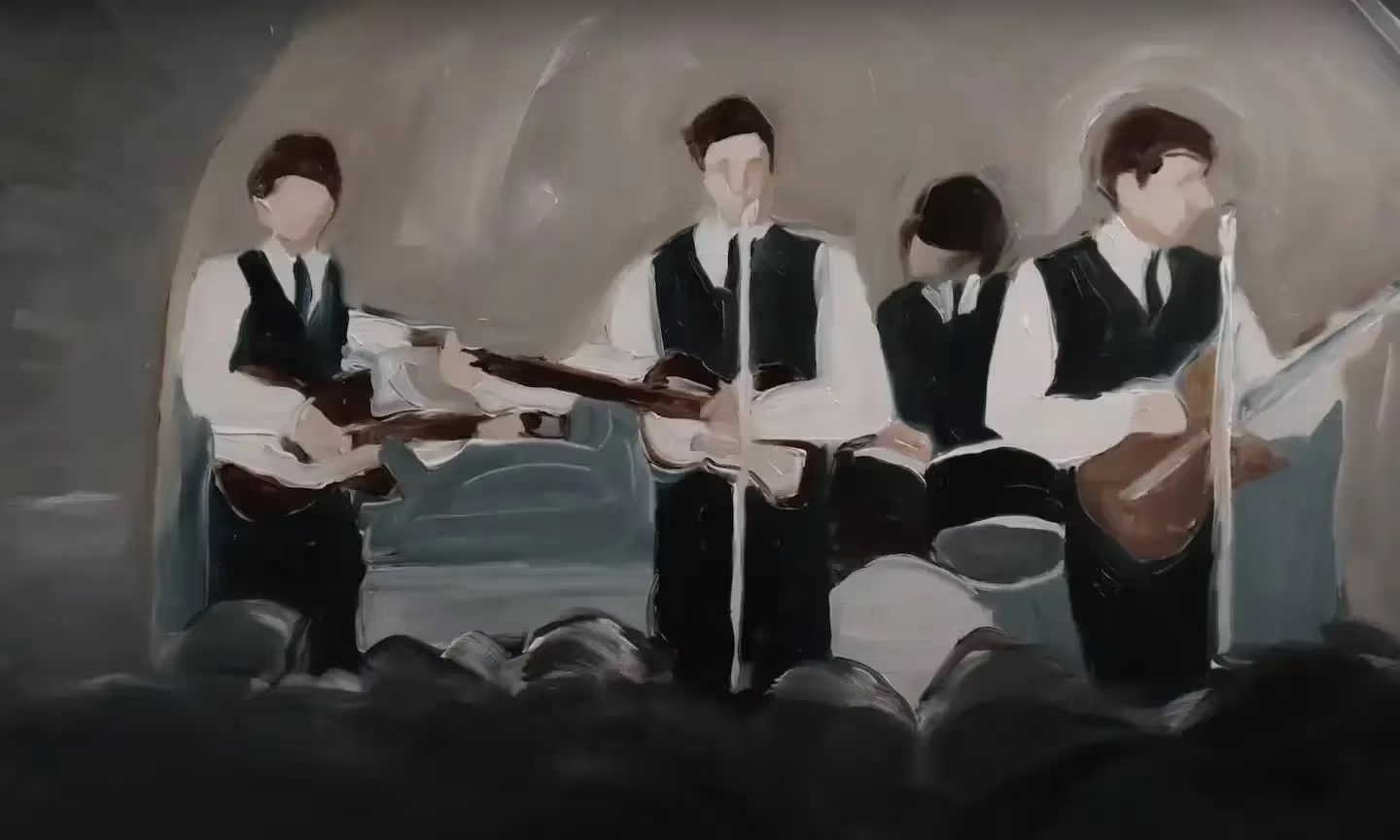
The Beatles’ ‘I’m Only Sleeping’ wins Grammy for Best Music Video.
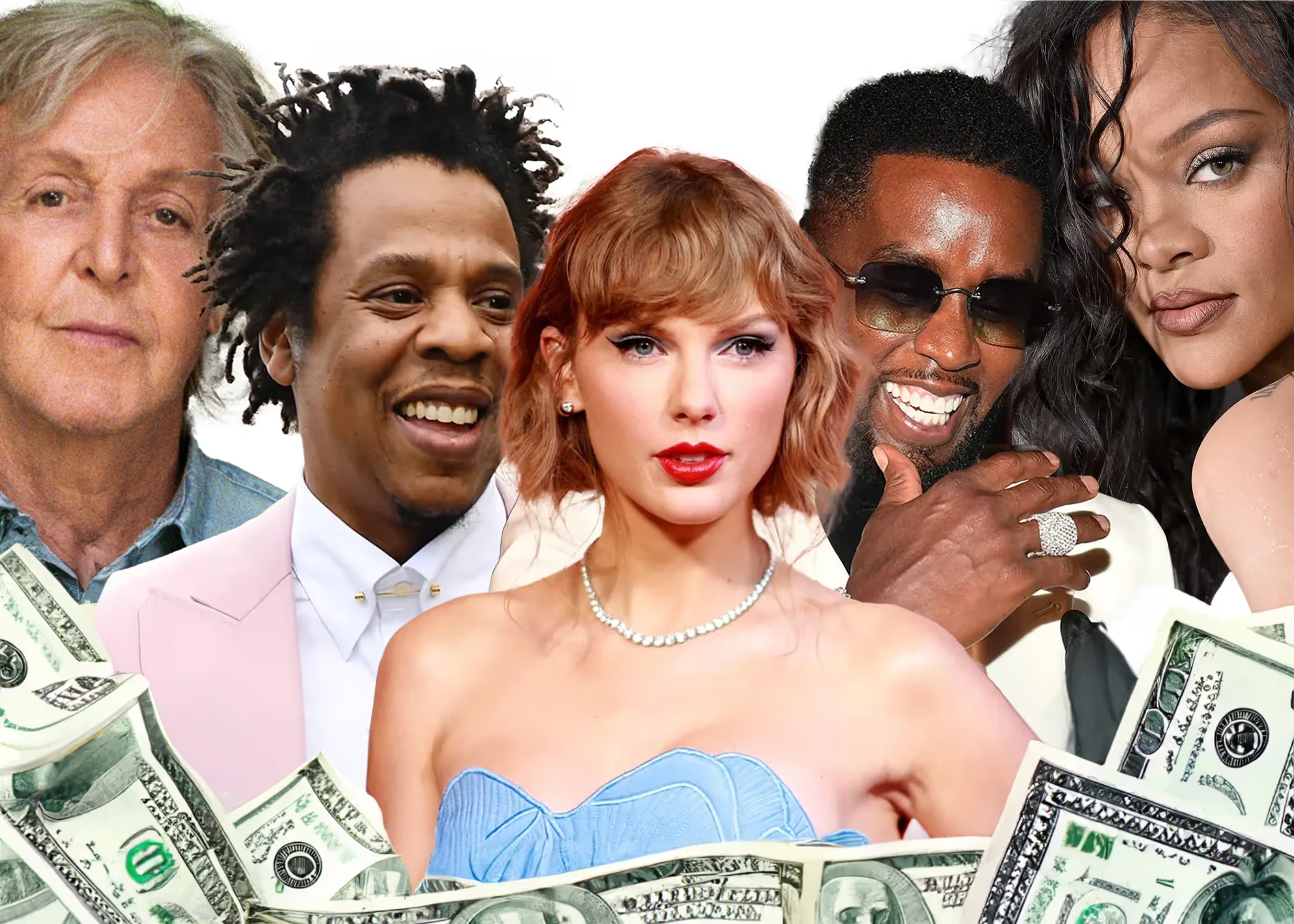
Lati Jay-Z's venture capital triumphs to Taylor Swift's strategic re-re-recordings, gba awọn musicists ti o ko nikan ni oke awọn charts but also crossed the billion-dollar net worth threshold.
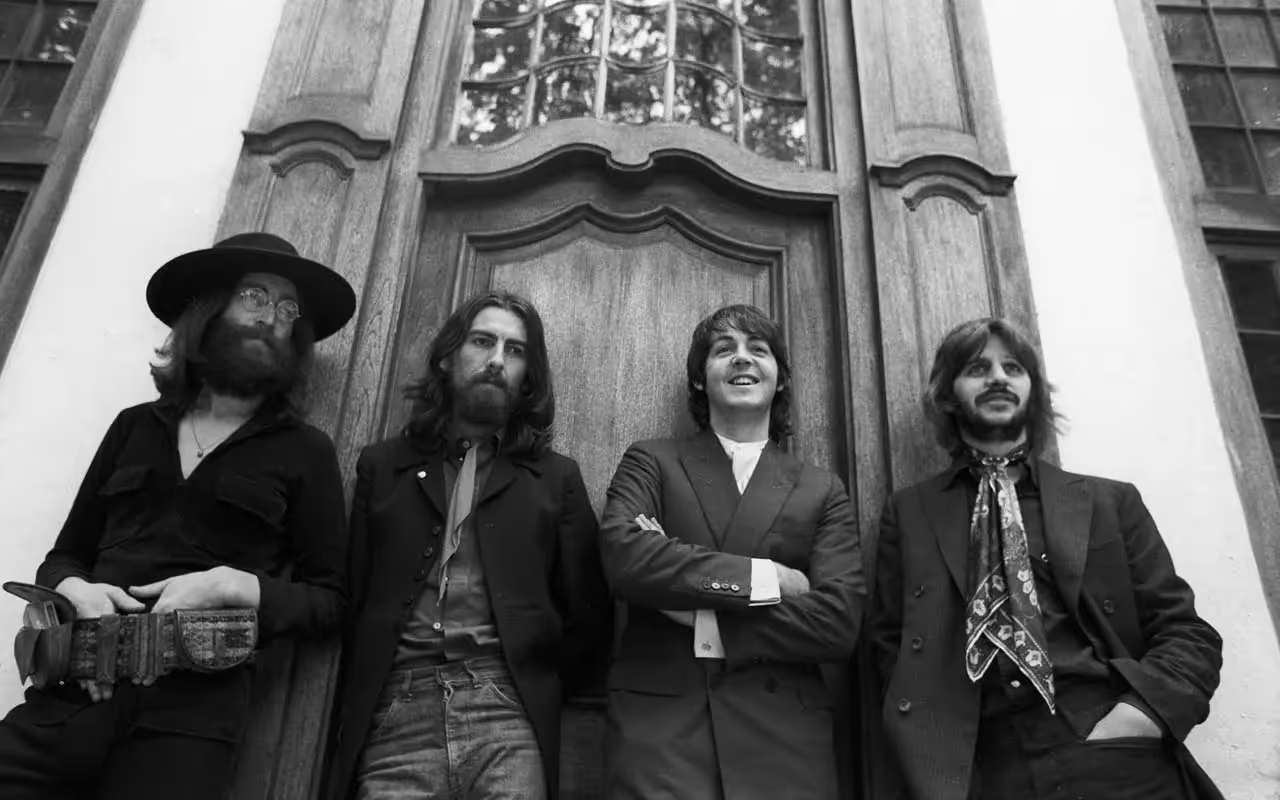
The Beatles are set to release expanded editions of their seminal compilation albums, 'The Red Album' and 'The Blue Album,' on November 10. Featuring 21 newly-added tracks and updated audio mixes, these collections offer a comprehensive look at the Beatles' musical legacy, from "Love Me Do" to "Now And Then.
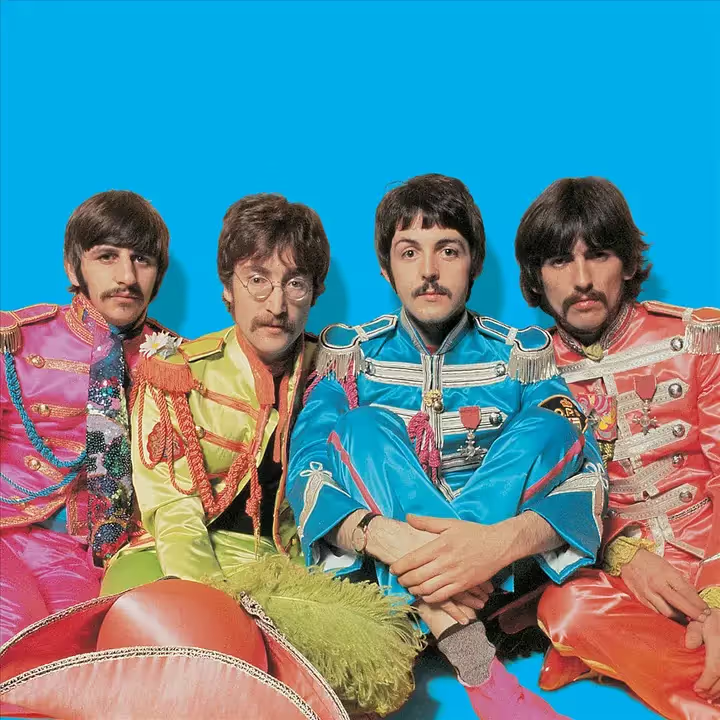
The Beatles announce the release of "Now And Then," a song featuring all four original members and enabled by artificial intelligence. This track could serve as the band's final musical offering, marking a historic moment in their enduring legacy