د بیټلونو
The Beatles، په لیورپول کې په 1960 کال کې جوړ شو، د موسيقي بدلون سره د 800 میلیونه الوتکو خرڅلاو، 20 د امریکا د بیل بورډ Hot 100 شمیره یو هټۍ، او د ګرامیمی جایزه سات. د بریتانیا invasion پینلر، دوی د نوښت ریکارډ کولو تکنالوژۍ او پوپ ثقافت ته وده ورکړي، د جنوريونو په اوږدو کې ناڅاپي هنرمندانو ته اغیزمن کړي، د موسيقي تاریخ کې تر ټولو اغیزمن بنديونو يو په توګه د هغوی د وارث تثبيت کړي

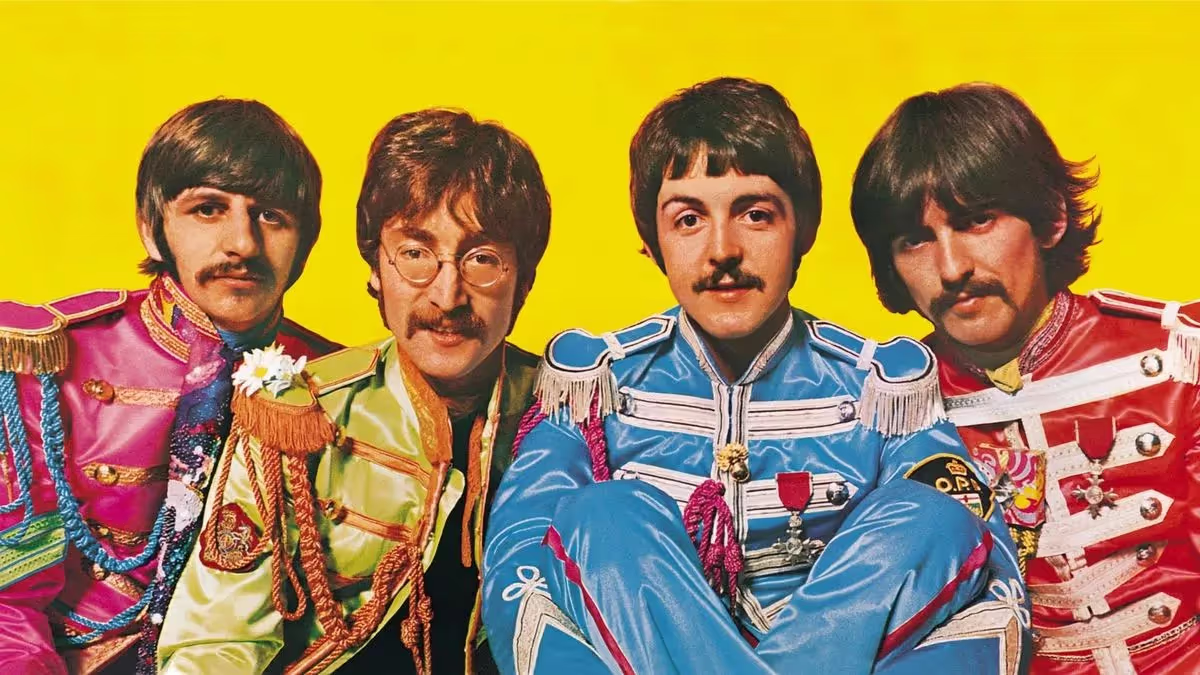
In the late 1950s, Liverpool was not the place anyone would look for a musical revolution. Yet, it was in this industrial city that John Lennon formed a skiffle group called The Quarrymen in 1956. Lennon, a student at the Liverpool Art College, was deeply influenced by the rock 'n' roll of Elvis Presley and Buddy Holly. On July 6, 1957, during a local church fête, Lennon met Paul McCartney. McCartney, just 15 at the time, impressed Lennon with his mastery of the guitar and his ability to tune one—a skill Lennon himself lacked. McCartney was invited to join The Quarrymen, and he accepted.
George Harrison, a friend of McCartney's from their days at the Liverpool Institute, was the next to join. Harrison, even younger than McCartney and still in his teens, was initially viewed with skepticism by Lennon. However, his audition on the upper deck of a bus, where he played "Raunchy," convinced Lennon of his skills. Harrison officially joined the group in early 1958.
The Quarrymen went through several name changes and a myriad of members before settling on the iconic name "The Beatles" in August 1960. The name was a tribute to Buddy Holly's band, The Crickets, and also a play on words, as it incorporated the "beat" that was central to their music. Stuart Sutcliffe, a friend of Lennon's from art school, joined as the bassist, and Pete Best became the drummer. This five-member lineup left for Hamburg, Germany, in August 1960 for what would be the first of several stints in the city's red-light district.
In Hamburg, The Beatles honed their skills through grueling schedules, sometimes playing for eight hours a day, seven days a week. They were exposed to a variety of musical styles and influences, including the works of Little Richard and Chuck Berry. The band also began experimenting with Preludin, a stimulant, to keep up with the demanding schedule. It was during this period that they adopted the mop-top hairstyle, influenced by Astrid Kirchherr, a German photographer who also had a brief engagement with Sutcliffe.
Stuart Sutcliffe decided to leave the band in July 1961 to focus on his art studies and his relationship with Kirchherr. His departure left a void in the band, and McCartney reluctantly took over as the bassist. The Beatles returned to Liverpool as a more cohesive and skilled group. They started playing at the Cavern Club, a local venue that would later become synonymous with their rise to fame. Their performances at the Cavern Club caught the attention of Brian Epstein, a local record store owner, who saw potential in the band and offered to manage them. After a brief period of consideration, The Beatles signed a management contract with Epstein on January 24, 1962.
The first significant move Epstein made was to secure an audition with Decca Records on January 1, 1962. Despite a well-received performance, Decca chose not to sign them, stating that "guitar groups are on the way out." Undeterred, Epstein continued to seek a record deal for the band. His efforts finally bore fruit when George Martin, a producer at Parlophone Records, offered them a contract. However, Martin was not impressed with Pete Best's drumming and suggested a change. After much deliberation, Best was replaced by Ringo Starr, who had previously played with Rory Storm and the Hurricanes. Starr officially joined on August 18, 1962, completing the lineup that would soon captivate the world.
The Beatles' first single under the Parlophone label, "Love Me Do," was released on October 5, 1962. While not an instant chart-topper, it did well enough to reach number 17 on the UK Singles Chart. The modest success was enough for George Martin to grant them a second single, "Please Please Me," which was released on January 11, 1963. This time, the reception was far more enthusiastic, and the single soared to the top of most British charts. Sensing the public's growing interest, Martin decided to capitalize on the momentum by recording a full-length album.
The "Please Please Me" album was recorded in a single day on February 11, 1963. Despite the rushed schedule, the album was a critical and commercial success, reaching the top of the UK Albums Chart where it remained for 30 consecutive weeks. The album included tracks like "I Saw Her Standing There" and "Twist and Shout," which showcased the band's versatility, moving effortlessly from rock 'n' roll to soulful ballads.
د 1963 په منځ کې، د "Beatlemania" اصطلاح په عمومي کلمې کې راځي. د بیټلز نه یوازې یو بانډ نه دي، دوی یو فرهنگی فانډیز وه. د دوی کنټرولونه اغيزمنه له خوا د سپارلو سپارلو له خوا غفلت شوي دي، او د دوی په عمومي توګه ښودل شوي واقعاتو ته بدل کیږي. د بریتانیا مطبوعاتي د دوی هر حرکت ته پیژندل، او د دوی موډل - په ځانګړې توګه د دوی د "موپ ټاپ" haircuts - د ځوانانو د بغاوت په نمونوي.
<pfseg id="0">د بیلټلونو د اغیزې په بریتانیا کې محدود نه وه. دوی د موسیقۍ په پیل کې د اتلانټیک په پرتله، په پیل کې د دوی د فیزیکی موجودیت پرته. د امریکا د تلیفون سټیشنونه د بیلټلونو آهنگونو ته ونیسئ، او د رایو سټیشنونه دوی په خپل لوبې لستونو کې شامل دي. په هرصورت، دا د "د سولیین سټیشن" په 9 فبرورۍ په 1964 کې، چې د متحده ایاالتو کې د بریتانیا د اغېز په رسمي پیل کې ونیسئ. په اړه د 73 میلیونه امریکاییانو د لیدلو په لټه کې ونیسئ، دا د هغه وخت کې تر ټولو وګورئ تلیفون نندارې یو.</
<pfseg id="0">د دوی لومړي متحده ایاالتو سیلیکون، "I Want to Hold Your Hand"، مخکې له دې چې دوی په نندارتون کې ښودل شوي، د بیلټلینډ د بیلټلینډ د بیلټلینډ د بیلټلینډ د بیلټلینډ د بیلټلینډ د بیلټلینډ د بیلټلینډ د بیلټلینډ د بیلټلینډ د بیلټلینډ د بیلټلینډ د بیلټلینډ د بیلټلینډ د بیلټلینډ د بیلټلینډ د بیلټلینډ د بیلټلینډ د بیلټلینډ په بیلټلینډ کې د بیلټلینډ بیلینډ
د بل میاشتو کې، The Beatles د دوی لومړي نړیوال سفر ته راځي، لکه د سویډن، استرالیا، او نیوزی لینډ په څیر. دوی هم په جولای 1964 کې د خپل درې استوګنې آلبوم، "A Hard Day's Night" راځي، کوم چې د دوی د ورته نوم د لومړي فلم لپاره د غږ ټریک په توګه کار واخلئ. دا آلبوم د دوی مخکښ کارونو څخه راځي، د لینون او McCartney، او دا په پراخه کچه د خپل نوښت تکنالوژۍ، په شمول د يو د 12 string ګیتار په نوم پای کې د کارولو لپاره د شهرت ترلاسه کړ.
The Beatles د 1964 کال سره د "Beatles for Sale" په ډیزاین کې بند شوی. د آلبوم کې د "Eight Days a Week" او "I'm a Loser" په څیر هټۍ شامل دي، او دا د انډول د موسیقي پیچیدو او لیریک عموديت ته وده ورکړي. په هرصورت، دا هم د تودوخې او استرس چې د مداخله ټورینګ او د عمومي نظارت سره رامینځته شوې وه. د انډول په څیر، د "No Reply" او "I'm a Loser" په څیر په ټریپونو کې رامینځته شوی، د انډول په څیر ډیر تجربي کارونو لپاره د سټیټ رامینځته کړ.
د 1965 کال د بیټلز لپاره د موسيقي او شخصي توګه یو مهم بدلون پای ته ورسیږي. د "Help!" په اګست کې د 1965 کال په لوړه کچه یو بل لګولو څخه ډیر دی؛ دا د بیټلز د موسيقي سبک او موضوعي عمده په پرمختګ کې د نندارتونونو د نندارتونونو نندارتون دی. ټیمونه لکه "Yesterday"، د McCartney's vocals accompanied by a string quartet, and "Ticket to Ride," with its unconventional time signature, showcased a band willing to push the boundaries of popular music.
The Beatles' experimentation was not limited to the recording studio. During their U.S. tour in August 1965, they played to a record-breaking crowd of 55,600 fans at Shea Stadium in New York. The concert was a landmark event, setting new standards for live music performances and amplification technology. However, the sheer volume of the crowd rendered the band virtually inaudible, leading them to question the viability of their live performances.
In December 1965, The Beatles released "Rubber Soul," an album that marked a clear departure from their earlier pop-oriented works. Influenced by folk rock and the burgeoning counterculture, the album featured introspective lyrics and complex musical arrangements. Songs like "Norwegian Wood," which employed the sitar, a traditional Indian instrument, and "In My Life," with its poignant lyrics and baroque keyboard solo, were testaments to the band's artistic growth.
The Beatles' willingness to experiment reached its zenith with the release of "Revolver" in August 1966. The album was a tour de force of musical innovation, employing techniques like tape loops, backward recordings, and varispeed alteration. Tracks like "Eleanor Rigby" used a double string quartet with no traditional rock instruments, while "Tomorrow Never Knows" incorporated avant-garde, electronic sounds. The album's eclectic style made it one of the most influential recordings in the history of popular music.
However, the band's growing artistic ambitions came at a cost. Touring had become increasingly taxing, both physically and emotionally. The members were also facing a backlash for their outspoken views. Lennon's controversial remark that The Beatles were "more popular than Jesus" led to public burnings of their records in some parts of the United States. Amid this turmoil, the band made a significant decision: their concert at Candlestick Park in San Francisco on August 29, 1966, would be their last commercial live performance.
Freed from the demands of touring, The Beatles focused entirely on their studio work. The result was "Sgt. Pepper's Lonely Hearts Club Band," released in May 1967. The album was a conceptual masterpiece, blending a wide range of musical genres and recording techniques. Songs like "Lucy in the Sky with Diamonds" and "A Day in the Life" were groundbreaking, both in terms of lyrical content and production value. The album's cover art, featuring a collage of historical and cultural figures, became an iconic representation of the era's psychedelic aesthetic.
"Sgt. Pepper" was followed by the "Magical Mystery Tour" EP and film, and then the "White Album" in 1968, each pushing the envelope in different directions—from whimsical psychedelia to eclectic individualism. The latter was a double album that showcased the distinct musical inclinations of each member, from Lennon's gritty "Yer Blues" to Harrison's spiritual "While My Guitar Gently Weeps," featuring Eric Clapton.
د 1969 کال د بیټلز لپاره د تشناب سره پوښل شو. د دوی د مخکښ الوتکو لپاره د انتقالات په ناڅاپي کې، داخلي تناقضونه تل په ښکاره توګه ښودل شوي دي. د بیلګې په توګه، د بیلګې په توګه، د بیلګې په توګه، د بیلګې په توګه د بیلګې په توګه جوړ شوی "Let It Be" پروژې، چې د دوی د لومړي ژوند د فعالیت د انرژۍ لوړه کولو لپاره ډیزاین شوی، د دوی د تناقض په نمونو کې وده ورکړي. د بیلګې په توګه، د بیلګې په منځ کې ښودلی فشار ښودل شو، او اختلافات شتون لري.
د تشنج په منځ کې، د بیټلز په سپتمبر 1969 کې "Abbey Road" تولید کړي، یو الوتکه چې ډیری یې د دوی غوره کار په نظر کې وي. د الوتکې د ټریډونو لکه "Come Together"، د لوینن جوړښت، او "کڅوړه"، د هریسن لړۍ چې په پراخه کچه شهرت ترلاسه کړ. د الوتکې د دویمې برخه کې د مختصر compositions، په سمه توګه په ګډه وښيي، په "د پای کې" په پایله کې شامل دي، د انډول د کارولو لپاره یو مناسب انپیتاف.
د 1970s په پیل کې، دا ښکاري چې د بیټلونو په مختلفو لارو کې حرکت کوي. McCartney د یو سولو الوب کار کوي، لینون د یوکو اوون سره د تجربې الوبو رامینځته کړ، هریسن د هند د روحانياتو او موسیقۍ په عمیق ډول په کار کې ونیسئ، او سټار د کار په کارولو کې پیل کړ. د 10 اپریل 1970، McCartney د مطبوعاتي پيژندل چې د بیټلز څخه د خپل ترکې اعلان کړ، په اغیزمنه توګه د انډول پای ته رسوي.
د "Let It Be" الوب، سره د يو سندري فلم، په پایله کې په می 1970، په توګه د بیټلز د وارګانې د posthumous تصدیق ونیسئ. د الوب د ټریډونو لکه "Let It Be" او "The Long and Winding Road" شامل دي، چې په انټرنیټ کلاسیک شي، مګر په عمومي ټون کې د ملانکولوژي او پایلې یو.
په هغه کلونو کې چې د دوی له منځه شوي دي، هر عضو د مختلفو کچه د بریالیتوب سره یو سولو کار لیږد کړ. لنون په 1980 کال کې په نیویارک کې د خپل اپارتمان څخه بهر په تګلیسي توګه کشته شو، مګر د خپل موسیقۍ د نسلونو ته وده ورکړي. هریسون په 2001 کال کې د سرطان سره د جنگ له امله د ژوند په اوږدو کې وفات شو، د یو غټ موسيقي لیست چې د سولو کارونو او همکارۍ شامل دي. McCartney او سټار د موسيقي نندارتون او ریکارډ ورکړي، په اغیزه توګه د بیټلونو په توګه د دوی وخت ته تاسیس کوي.
The Beatles' influence on popular music and culture is immeasurable, and their legacy continues to grow. In 1995, surviving members McCartney, Harrison, and Starr reunited to work on "The Beatles Anthology," a documentary series accompanied by a set of three double albums containing unreleased songs and live recordings. One of the most notable tracks from this project was "Now and Then," also known as "I'm Looking Through You." The song was based on an unfinished Lennon demo recorded in 1978. McCartney and Harrison added new vocals and instrumentation to Lennon's original recording, effectively creating a new Beatles song years after their breakup. The release of "Now and Then" was met with mixed reviews. While some fans appreciated the effort to create a new Beatles track, others felt that it lacked the organic chemistry that defined the band's best works.
Moving forward to 2023, the new version of "Now and Then" featuring all four original Beatles members is enabled by AI is scheduled for release on November 2. A 12-minute documentary film titled "Now And Then – The Last Beatles Song," will premiere on November 1 on The Beatles' YouTube channel. The film will include exclusive footage and commentary from Paul McCartney, Ringo Starr, George Harrison, Sean Ono Lennon, and Peter Jackson.
The Beatles are a cultural force that transcended musical genres and geographical boundaries. From their humble beginnings in Liverpool to their meteoric rise to global fame, their journey was marked by constant evolution and innovation. Their impact is not confined to the records they sold or the awards they won; it lies in their ability to inspire and influence, qualities that ensure their enduring relevance.

وروستۍ
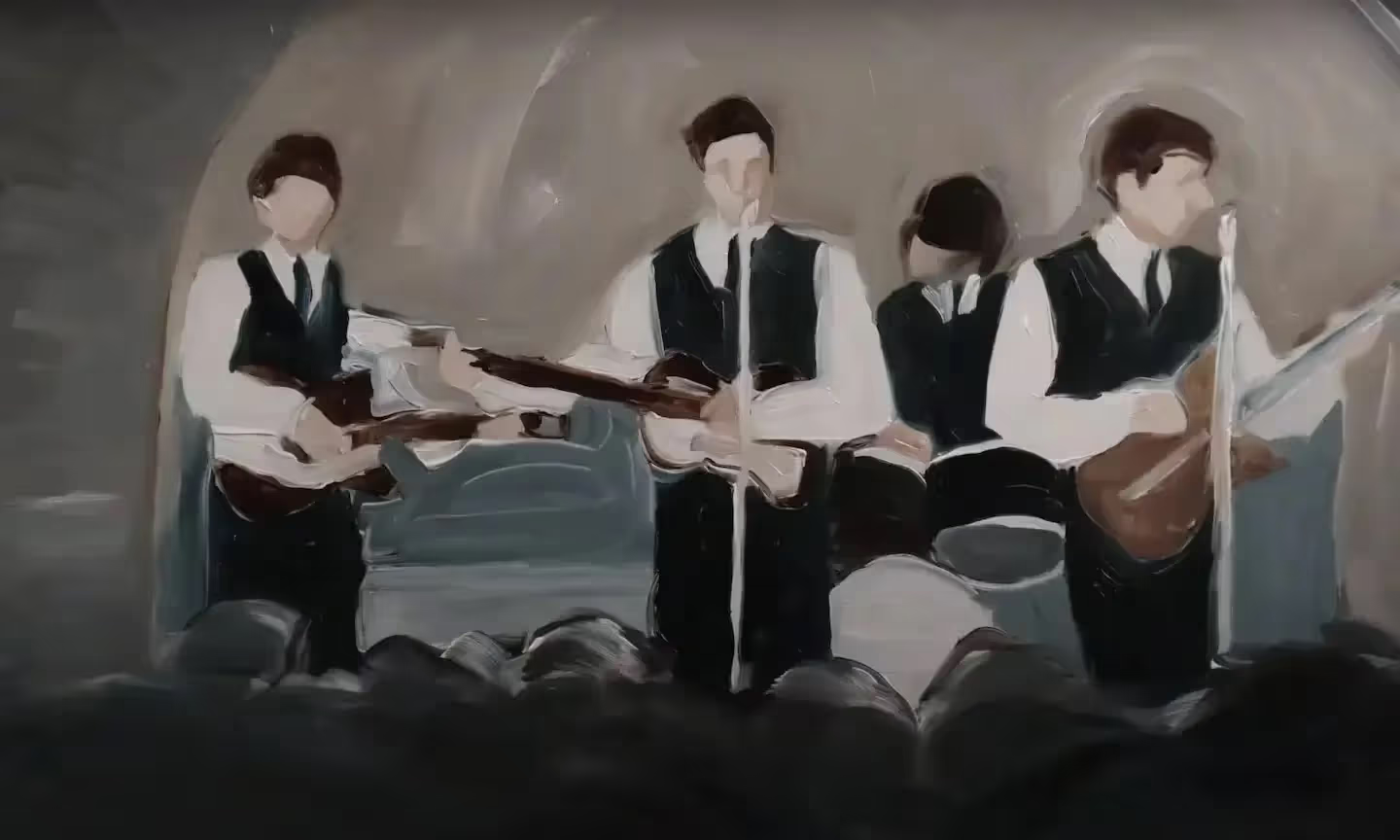
The Beatles' ‘I’m Only Sleeping’ wins Grammy for Best Music Video.
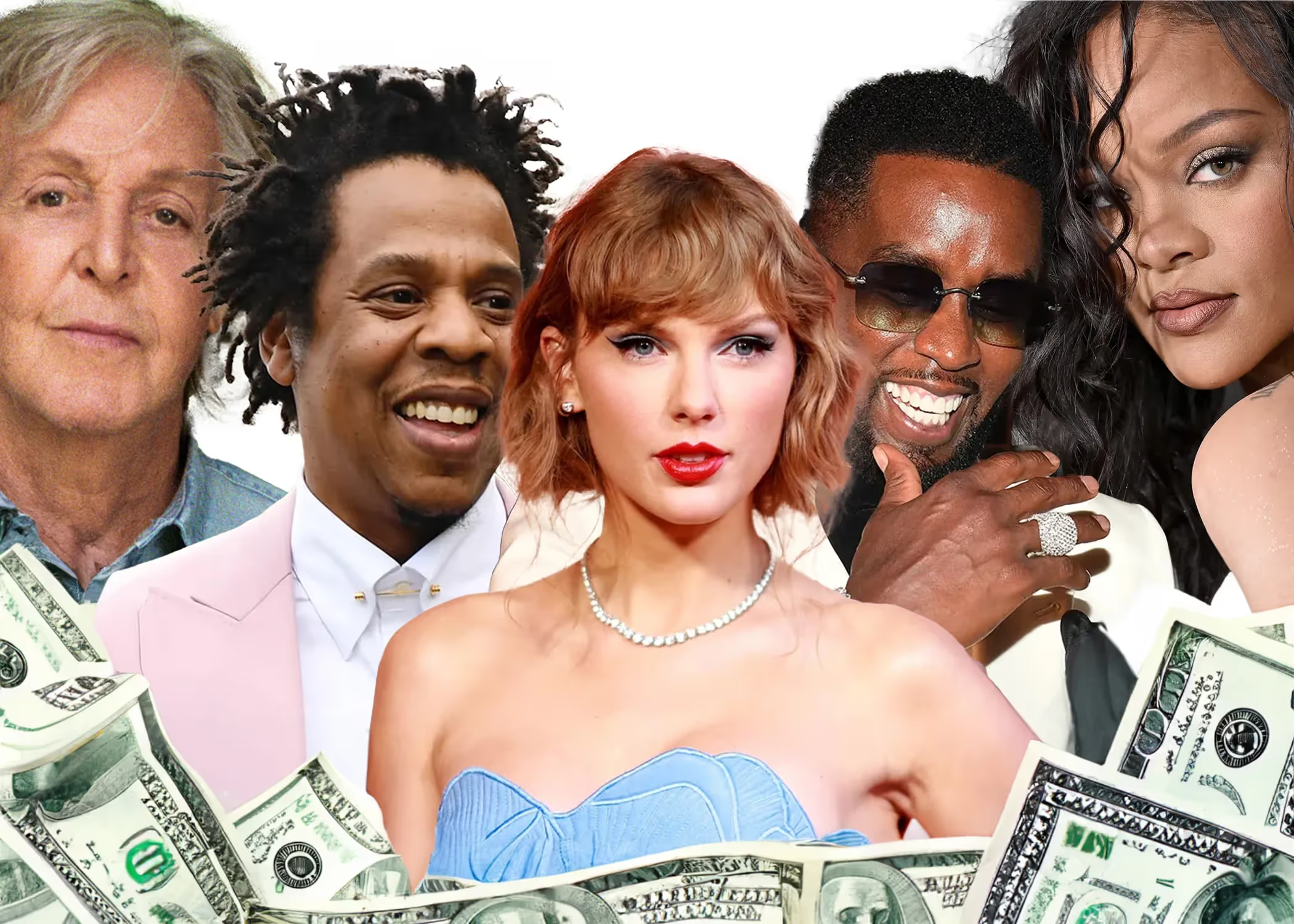
From Jay-Z's venture capital triumphs to Taylor Swift's strategic re-recordings, discover the musicians who've not only topped the charts but also crossed the billion-dollar net worth threshold.
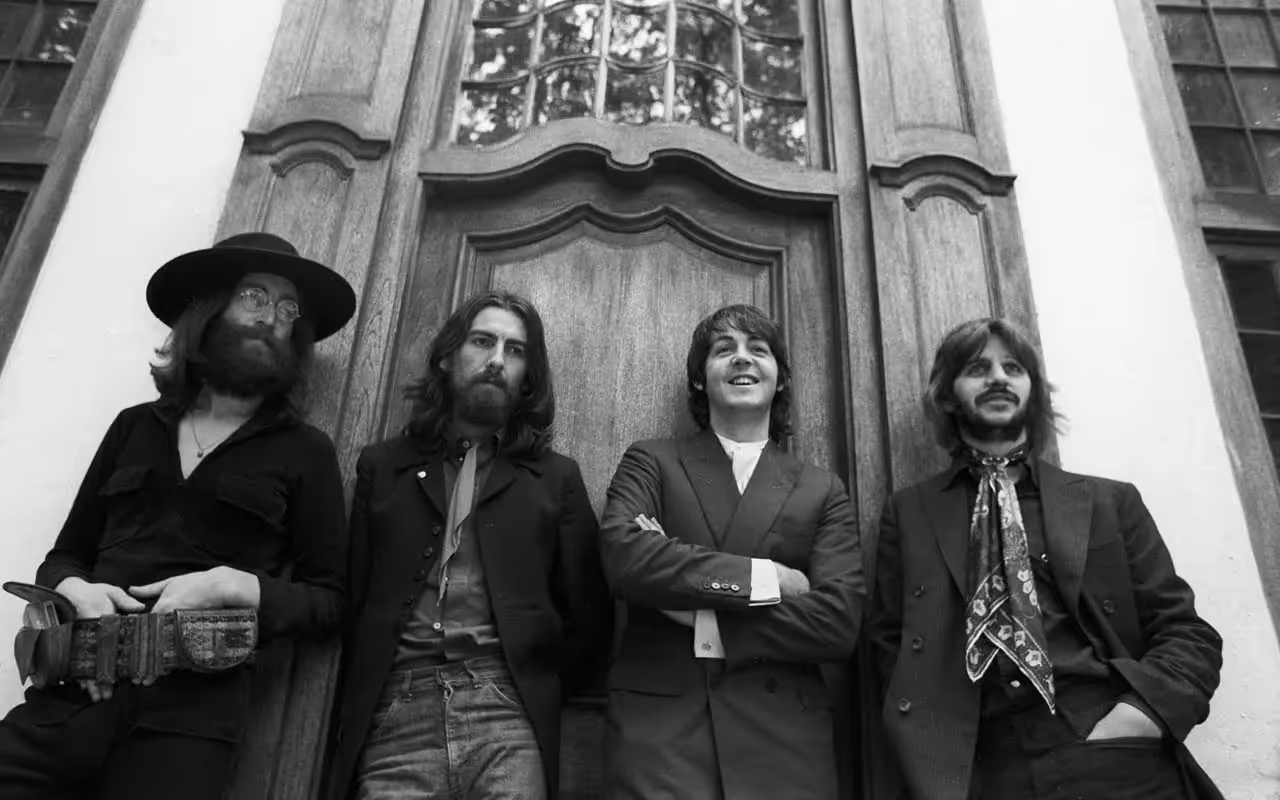
The Beatles are set to release expanded editions of their seminal compilation albums, 'The Red Album' and 'The Blue Album,' on November 10. Featuring 21 newly-added tracks and updated audio mixes, these collections offer a comprehensive look at the Beatles' musical legacy, from "Love Me Do" to "Now And Then.
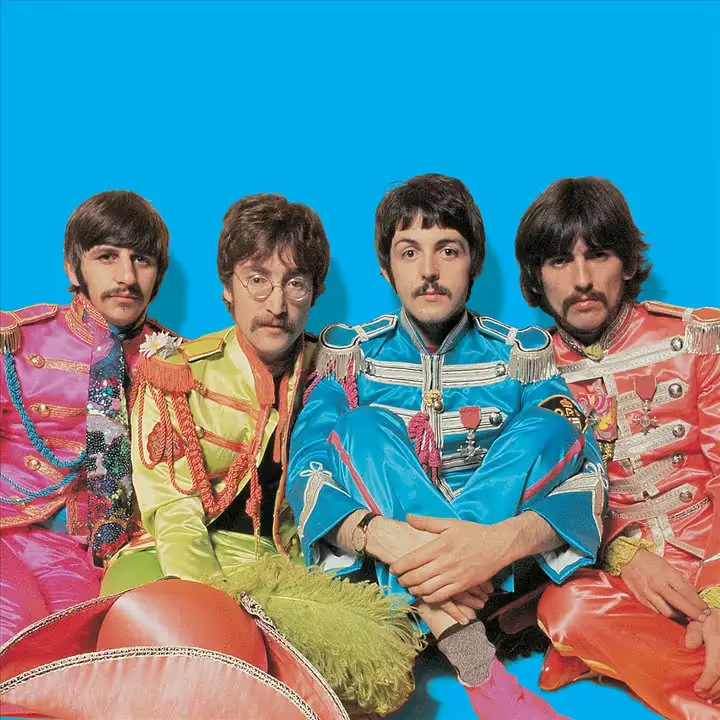
The Beatles announce the release of "Now And Then," a song featuring all four original members and enabled by artificial intelligence. This track could serve as the band's final musical offering, marking a historic moment in their enduring legacy