Tẹ bi o lati wa ni ailewu nigba ti awọn LA iṣelọpọ ati, pataki, bi o lati fi fun FEMA iṣelọpọ, iṣelọpọ iṣakojọpọ, ati awọn ẹya ara ẹrọ miiran lati ṣe iranlọwọ fun o lati ṣe iranlọwọ.
A lè gba apakan tita bí o bá ra ọja kan nípasẹ̀ ọna asopọ ninu àpilẹ̀kọ yìí.
Tẹ bi o lati wa ni ailewu nigba ti awọn LA iṣelọpọ ati, pataki, bi o lati fi fun FEMA iṣelọpọ, iṣelọpọ iṣakojọpọ, ati awọn ẹya ara ẹrọ miiran lati ṣe iranlọwọ fun o lati ṣe iranlọwọ.
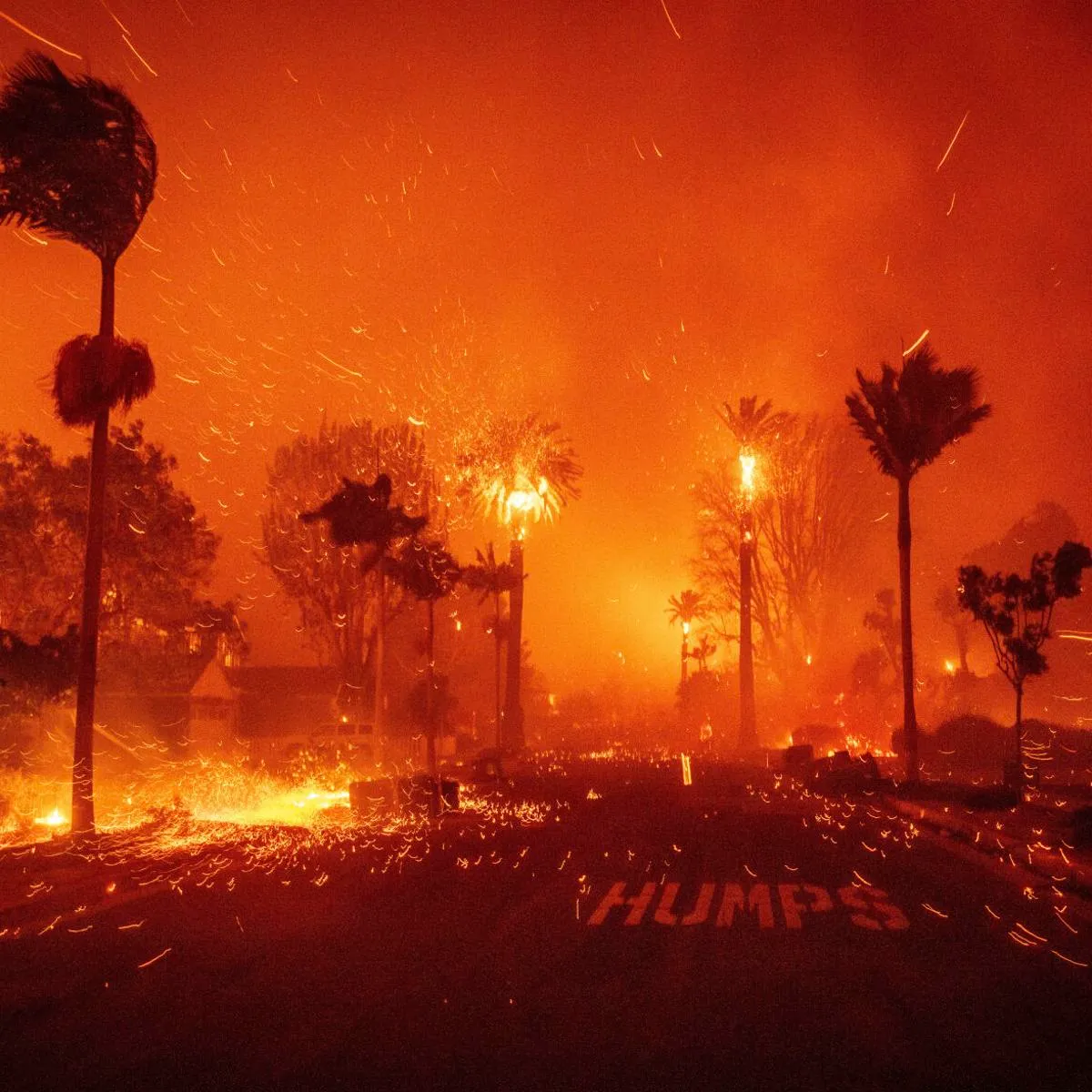
What to Do Next If You Lost Your Home or Business in the Los Angeles Wildfires
Tẹ bi o lati wa ni ailewu nigba ti awọn LA iṣelọpọ ati, pataki, bi o lati fi fun FEMA iṣelọpọ, iṣelọpọ iṣakojọpọ, ati awọn ẹya ara ẹrọ miiran lati ṣe iranlọwọ fun o lati ṣe iranlọwọ.
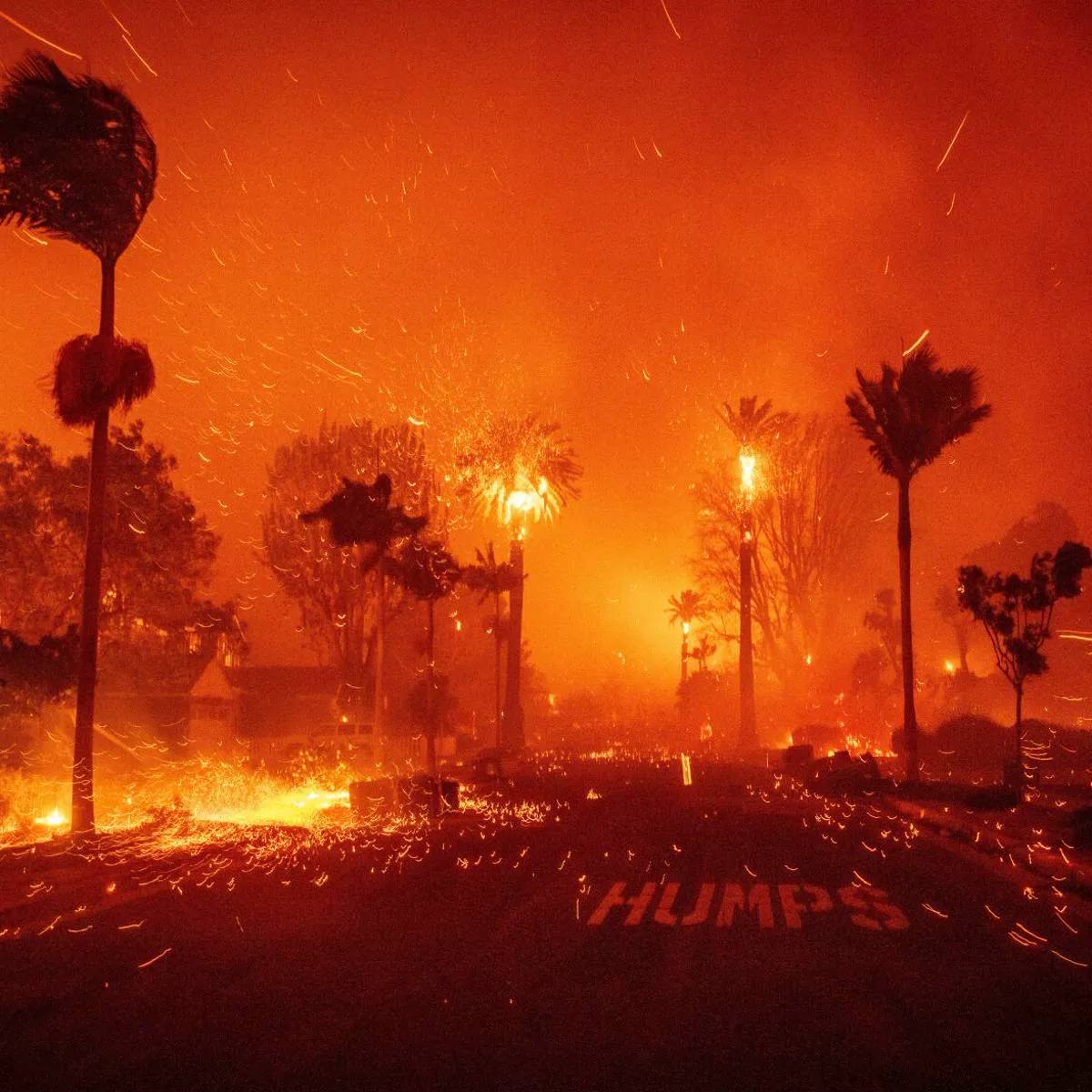
Awọn awọn ounjẹ ti o wa nibẹ lori Los Angeles County ti wa ni ṣeto ni a ko siwaju sii iṣoro, gbọdọ fun ọpọlọpọ ọpọlọpọ lati se evacuate ati ṣe atilẹyin ọpọlọpọ awọn ile ati awọn ile-iṣẹ. Ti o ba ti o ba wa ni awọn agbegbe ti o ṣẹda tabi ti o ti wa ni gbọdọ siwaju sii, o ti wa ni o wa ni iṣeduro kan aarin ti awọn iyanu: iwaju, iṣoro, ati ki o le ni iwaju. Yi article pese kan pipe akojọ lati ran oju awọn iyanu ti awọn ounjẹ ti wa ni igba, gba awọn ẹya ara ẹrọ, ati bẹrẹ lati ṣiṣẹ fun awọn ti o tobi.
Los Angeles Wildfires: A Guide to Safety, Evacuation, and Assistance
1. Ensure Your Safety and Well-being
Ti o ba tẹsiwaju awọn iṣoro rẹ ati awọn iṣoro ti awọn ile-iwe rẹ. Ti o ba ti o ba wa ni ibi ti o ni iṣoro:
Evacuate Immediately: If you are under a mandatory evacuation order, leave immediately. Do not delay. Your life is more important than your property.
Evacuation Warnings: Ti o ba ti o ba wa ni labẹ ailewu evacuation, jọwọ ṣe atilẹyin lati tẹsiwaju ni akoko iroyin. Pẹlu awọn ohun ti o wa nilo ati ki o jẹ gidi lati lọ.
Stay Informed: Monitor official sources for real-time updates:
- Cal Fire: www.fire.ca.gov
- Cal OES: www.caloes.ca.gov
- LA County Emergency Management: www.lacounty.gov/emergency
- Local Law Enforcement: Tọkasi awọn iroyin aṣaṣaṣaṣaṣaṣaṣaṣaṣaṣaṣaṣaṣaṣaṣaṣaṣaṣaṣa.
- Emergency Alerts: Sign up for emergency alerts through your county's emergency notification system.
- Local News: Pay close attention to local news broadcasts (radio and television).
Prepare an Emergency Kit: If you haven't already, pack a "go-bag" with:
- Water (1 gallon per person per day for at least 3 days)
- Non-perishable food (3-day supply)
- Medications (7-day supply) and medical items
- First-aid kit
- Flashlight and extra batteries
- Hand-crank or battery-powered radio
- Copies of important documents (ID, insurance, etc.)
- Cash
- Change of clothes
- Pet supplies (if applicable)
Protect Your Home (If Safe to Do So):
- Clear a defensible space around your home by removing dry vegetation.
- Close windows and doors.
- Turn off the gas supply at the meter if you evacuate.
Air Quality: Be mindful of poor air quality. Limit outdoor activities and keep windows closed. Consult your doctor if you have respiratory issues.
2. Prioritize Your Mental and Emotional Health
Igbimọ iṣoro kan le jẹ iṣoro. O jẹ pataki lati ṣe iranlọwọ fun iṣoro rẹ ati iṣoro:
- Disaster Distress Helpline: Provides 24/7 crisis counseling and support. Call or text 1-800-985-5990.
- LA County Mental Health Help Line: Call (800) 854-7771 or text "LA" to 741741 for immediate help or to access local mental health services.
- LA County Disaster Distress Helpline: Tele 1-800-985-5990 tabi ọrọ "TalkWithUs" si 66746 fun atilẹyin atilẹyin tabi awọn ẹya ara ẹrọ.
- SMC Center for Wellness & Wellbeing: The SMC Center for Wellness & Wellbeing nfun awọn onibara ti o ni ilọsiwaju ati ki o pọju ilera ilera awọn iṣẹ fun awọn omo ile, bi daradara bi ọjọgbọn ibasepo si awọn faculties ati awọn ọpa.
- Reach Out: Talk to family, friends, neighbors, or spiritual advisors.
- Limit News Exposure: While staying informed is important, constant exposure to news coverage can increase stress.
- Self-Care: Try to maintain healthy routines as much as possible, including eating nutritious food, getting some rest, and finding moments of calm.
3. Immediate Assistance: Shelters, Food, and Essential Supplies
If you have been evacuated or need immediate assistance:
American Red Cross:
- Services: Emergency shelters, food, water, emotional support, assistance locating loved ones.
- Contact: 1-800-RED CROSS (1-800-733-2767)
- Find a Shelter: Text "SHELTER" and your ZIP code to 43362 or visit redcross.org/shelter.
Salvation Army:
- Services: Emergency assistance (food, clothing, essential items), emotional and spiritual care.
- Contact: 1-800-SAL-ARMY (1-800-725-2769) or visit their website at www.salvationarmyusa.org.
211 LA and Airbnb.org:
- Services: Airbnb.org ti wa ni ṣiṣẹ pẹlu 211 LA lati pese free akoko ibi fun awọn eniyan ti o gbọdọ nipa awọn iṣoro.
- Contact: Contact 211 LA to request assistance.
Local Assistance Centers (LACs):
- Availability: LACs may be set up as the situation evolves. They are one-stop shops for information and assistance.
- Information: Tẹle pẹlu Cal OES ati awọn agbegbe rẹ fun imudojuiwọn lori awọn ipo ati awọn iṣẹ ti LAC.
4. Contact Your Insurance Company (If Safe to Do So)
Ti o ba ti awọn ohun elo rẹ ti wa ni iṣoro ati pe o jẹ ailewu lati ṣiṣe ki o si tẹsiwaju si ile-iṣẹ iṣowo rẹ lati fi awọn ifiranṣẹ.
Gather Necessary Documents: Papa ṣaaju ki o to ifowosowopo ile-iṣẹ rẹ, gbẹkẹle awọn iwe-aṣẹ pataki bi rẹ ipolowo, a iroyin ti awọn ọja ti iṣoro tabi iṣoro (ti o ba ti o ni ọkan), ati eyikeyi iroyin tabi ifowosowopo ti o wa lori awọn iṣeduro tabi awọn iṣeduro.
Document the Damage: Take photos and videos of the damage to your property and belongings. This documentation will be essential in supporting your claim. Only do this if it is safe to return to the property.
Understand Your Coverage: Ask your insurance agent or representative to explain your coverage limits for rebuilding or repairing your home, replacing personal belongings, and covering living expenses. Standard homeowners and renters insurance policies typically cover wildfire-caused property damage to a home's structure, outbuildings, and personal belongings.
Keep Records: Maintain detailed records of all interactions with your insurance company, including phone calls, emails, and letters.
Insurance Gaps: It's important to review your policy carefully, as many property owners discover they are not fully insured for wildfire damage after a major fire.
- United Policyholders: Awọn ile-iṣẹ ti o ni aṣeyọri ti o ṣe iranlọwọ fun awọn onibara asekale. Nwọn nfun awọn ẹya ara ẹrọ, awọn iṣẹ-ṣiṣe, ati awọn ẹya ara ẹrọ lori iṣeduro ilana. Tẹ awọn aaye ayelujara wọn ni www.uphelp.org.
5. Government Assistance: Immediate and Future Potential
The federal government has declared a major disaster for California, making federal aid available.
Immediate Focus (Emergency Response):
Federal and state efforts are currently concentrated on:
- Fire Suppression: Funding firefighters, equipment, and resources.
- Evacuations: Supporting evacuation efforts.
- Emergency Shelters: Providing funding for temporary shelters and essential supplies.
Future Assistance (Register with FEMA Now):
FEMA Individual Assistance: Registering with FEMA NOW is crucial to access potential future assistance, which may include:
- Temporary Housing Assistance: Grants for hotels, rentals, or other temporary lodging.
- Essential Home Repairs: Grants to make your primary residence habitable.
- Other Needs Assistance: Funds for medical/dental costs, childcare, moving/storage, and essential personal belongings.
How to Register for FEMA:
- Online: DisasterAssistance.gov (Fastest)
- Phone: 1-800-621-FEMA (3362)
- FEMA Mobile App: Download the app.
Other Potential Long-Term Assistance Programs (Details to Come):
SBA Disaster Loans: Awọn iye owo kekere fun awọn ile-iṣẹ, awọn ile-iṣẹ, ati awọn ile-iṣẹ. Iṣakoso pẹlu FEMA jẹ akọkọ. Ka siwaju sii: DisasterLoanAssistance.sba.gov.
State Supplemental Grant Program (SSGP): O le pese afikun iṣeduro fun awọn ibeere ti ko ba wa nipa iṣakoso tabi awọn ọna miiran. Awọn SSGP ti wa ni a ṣe lati pese iṣeduro iṣeduro si awọn ẹnikẹni ati awọn ile-iṣẹ ti o gbọdọ iṣeduro nitori awọn iṣeduro ti ko ni kikun pẹlu awọn iṣeduro tabi awọn miiran iṣeduro. O pese iṣeduro lati ran awọn iṣeduro pataki, gẹgẹbi iṣeduro tabi awọn miiran iṣeduro iṣeduro, gẹgẹbi iṣeduro (iṣeduro tabi iṣeduro ti awọn ile-iṣeduro ti o wa ni iṣeduro nipasẹ iṣeduro), iṣeduro (iṣeduro iṣed
- Who is Eligible? Must be a legal resident of the U.S., must have lived in the affected area at the time of the disaster, must have experienced losses not fully covered by insurance or other assistance, and must meet income guidelines (typically based on family size and income).
- How to Apply: Contact your local county social services agency or the California Department of Social Services (CDSS) for information on how to apply. Be prepared to provide documentation of your losses, income, and other relevant information.
Awọn alaye yoo wa nipa awọn Department of California Social Services (www.cdss.ca.gov).
Disaster Case Management Program (DCMP): O ṣe atilẹyin ọna asopọ ati atilẹyin nipasẹ ilana iyipada. Awọn DCMP ṣe atilẹyin ọna asopọ ati atilẹyin fun awọn ẹnikẹni ati awọn ile-iṣẹ nigba ti ilana iyipada. A case manager le ṣe iranlọwọ lati ṣe iṣeduro awọn ibeere rẹ ati ṣẹda ailewu iyipada, ṣayẹwo awọn ọna iṣẹ, ṣayẹwo pẹlu awọn iṣẹ (iṣeduro, iṣẹ, iṣelọpọ iṣelọpọ, iṣeduro iṣeduro, ati awọn miiran iṣeduro pataki), ifowosowopo fun awọn ibeere rẹ (iṣeduro iṣeduro awọn iṣeduro pẹlu awọn ile-iṣẹ, onibara, tabi awọn agbegbe), ati ṣ
- Who is Eligible? Awọn ẹnikẹni ati awọn ile-iṣẹ ti o gbọdọ lati ṣe iranlọwọ nipasẹ ilana iyipada ilana. Awọn ẹya ara ẹrọ ti o le ṣee ṣe iṣeduro ni ibamu si awọn ọna DCMP.
- How to Access: Contact your local county emergency management agency or social services department to inquire about DCMP services. FEMA may also refer individuals to DCMP providers.
Information will be available through your local county.
Disaster Legal Services (DLS): FEMA, pẹlu awọn American Bar Association Young Lawyers Division, le pese owo iṣeduro fun awọn alaisan alaisan (iṣeduro iye, onibara / onibara iye, ati be be be be be lo).
Disaster Unemployment Assistance (DUA): Ti o ba gbọdọ ṣiṣeto awọn iṣẹ rẹ nitori awọn iṣowo iṣowo, o le wa ni anfani fun DUA.
6. Resources from Government and Aid Organizations
Awọn ọpọlọpọ awọn ile-iṣẹ ilu ati awọn ile-iṣẹ iṣeduro nfun iṣeduro fun awọn iṣeduro iṣelọpọ:
FEMA:
- Services: Currently supporting emergency response. Register now for potential future assistance with temporary housing, essential repairs, etc.
- Contact: 1-800-621-3362, www.DisasterAssistance.gov
California Employment Development Department (EDD):
- Services: Information regarding what to do in case of a natural disaster. Assistance for those who may have lost a job due to the disaster.
- Contact: 1-800-300-5616, www.edd.ca.gov
California Department of Housing and Community Development (HCD):
- Services: Disaster Recovery, including assistance and funding for those affected by natural disasters.
- Contact: 916-263-2771, [email protected], www.hcd.ca.gov
American Red Cross:
- Services: Emergency shelters, food, water, emotional support, assistance locating loved ones.
- Contact: 1-800-RED-CROSS (1-800-733-2767), www.redcross.org
California Fire Foundation:
- Services: Currently unknown. They usually offer grants, but their focus might have shifted due to the wildfires being active.
- Contact: www.cafirefoundation.org
Salvation Army:
- Services: Emergency Assistance (food, clothing, essential items), Emotional and Spiritual Care
- Contact: 1-800-SAL-ARMY (1-800-725-2769), www.salvationarmyusa.org/usn
California Community Foundation:
- Services: Long-Term Recovery Efforts
- Contact: 213-413-4130, www.calfund.org
7. Securing Temporary Housing (If Evacuated)
If you've been evacuated, finding temporary housing is a priority:
- Red Cross Shelters: Text "SHELTER" and your ZIP code to 43362 or visit redcross.org/shelter.
- Airbnb.org and 211 LA: Request free temporary housing assistance through 211 LA.
- FEMA Transitional Sheltering Assistance: O le wa ni anfani nigba ti iṣeduro awọn ipo. Iṣeduro pẹlu FEMA jẹ pataki.
- Hotels Offering Discounts: Some hotels are offering discounted rates for evacuees. The Queen Mary hotel in Long Beach is offering rooms at $189, including a breakfast buffet for two and waived pet and historical preservation fees. Hotels in Big Bear are also offering assistance. Check their websites for more details.
- Additional emergency shelters, animal shelters, housing, and transportation assistance resources.
- Other Options: Staying with family or friends, renting an apartment (short-term), or considering a manufactured housing unit or RV (longer-term).
8. Aṣa: Iṣakoso ati Iṣakoso
Awọn ipele ti awọn iṣoro ti wa ni ko mọ, ati awọn iyipada ilana yoo jẹ igba. Eyi ni ohun ti o ni lati wa ni ibamu fun awọn ti o wa ni ibamu fun awọn ti o tobi:
Document Damage (When Safe): Ti o ba wa ni iṣeduro ati pe o ni ailewu lati fi o, fi gbogbo nipa awọn fọto ati awọn fidio fun iṣeduro ati awọn iṣeduro iṣeduro.
Insurance Claims: Contact your insurance company as soon as it is safe to do so.
Debris Removal: Government-funded debris removal programs may become available. Stay informed through your local county.
Permitting and Reconstruction: Ti o ba gbọdọ ṣiṣeto, o yoo nilo lati ṣayẹwo awọn ilana ṣiṣeto. Awọn koodu ile-iṣẹ agbegbe le ti ṣayẹwo niwon awọn iṣowo ti o bẹrẹ, ṣugbọn o yoo ko mọ ṣaaju ki o si awọn iṣowo ti o ni ipamọ.
SBA Loans: Explore SBA loans for long-term rebuilding.
State and Local Programs: Be aware of potential state and local assistance programs that may emerge.
Rebuild Smarter: Consider fire-resistant materials, defensible space, and updated building codes when rebuilding.
9. Preventing Future Wildfire Risk
Create Defensible Space: Yi lọ si ailewu agbegbe gẹgẹbi ile-iṣẹ rẹ, ko si iwaju vegetation ati awọn ohun elo ti o ni ifọwọsi.
Use Fire-Resistant Materials: When rebuilding or making home improvements, choose fire-resistant roofing, siding, and windows.
Landscaping: Choose fire-resistant plants and maintain your landscaping regularly.
Community Efforts: Support local fire prevention and mitigation programs.
Emergency Watershed Program: The Emergency Watershed Program ṣe iranlọwọ lati ṣe iranlọwọ lati ṣe iranlọwọ lati ṣe iranlọwọ si awọn iṣoro si aye ati awọn ohun elo ti o ṣẹda nipasẹ awọn iṣoro, awọn iṣoro, awọn iṣeduro ati awọn iṣoro ti o dara julọ ti o ṣe iranlọwọ si awọn iṣoro.
Burned Area Emergency Response (BAER): The BAER ọna ti wa ni oriṣiriṣi lori iṣakoso iṣakoso ati iṣakoso iṣakoso ti awọn agbegbe ti iṣoro iṣoro. Nibẹ ni o le fi awọn iṣoro gẹgẹbi iṣeto awọn ọdun, iṣakoso awọn iṣoro si awọn ẹrọ, ati iṣeto awọn habitat. Awọn BAER ọna le tun fi omi tabi iṣakoso iṣakoso iṣakoso awọn ẹrọ, iṣakoso iṣakoso iṣakoso tabi iṣakoso iṣakoso iṣakoso iṣakoso, fi awọn iṣakoso iṣakoso awọn iṣakoso iṣakoso awọn iṣakoso iṣakoso ni awọn iṣakoso iṣakoso iṣakoso iṣakoso iṣakoso iṣakoso
Emergency Conservation Program and Emergency Forest Restoration Program: Awọn awọn ọna wọnyi pese owo ati imọran iṣeduro lati ṣeto awọn iṣeduro iṣeduro bi iṣeduro ati iṣeduro agbegbe tabi orisun.
Environmental Quality Incentives Program: This program offers financial and technical assistance to implement conservation practices, such as erosion control measures and tree planting. The Environmental Quality Incentives Program offers financial and technical assistance through contracts that can last up to ten years. They help with improving water and air quality, conserving water resources, enhancing soil health and reducing erosion, improving or creating wildlife habitat, and addressing other natural resource concerns.
- Who is Eligible? Agricultural producers (farmers, ranchers), owners of non-industrial private forestland, and Federally recognized Tribes are eligible.
- How to Apply? Kọle rẹ agbegbe USDA Service Center tabi lọ si aaye ayelujara NRCS California fun alaye siwaju sii. Awọn ifiranṣẹ ti wa ni ifọwọkan ni ipinnu, ṣugbọn nibẹ ni awọn akọkọ akọkọ ti o wa fun ifowosowopo.
10. Stay Informed
Cal Fire: www.fire.ca.gov
Cal OES: www.caloes.ca.gov
LA County Emergency Management: www.lacounty.gov/emergency
Local Law Enforcement: Follow their social media accounts.
Tẹsiwaju fun awọn iṣoro iṣoro nipasẹ ilu rẹ.
Monitor local news broadcasts.
The Los Angeles wildfires present an ongoing and evolving crisis. By staying informed, prioritizing safety, taking immediate action to access available resources, and preparing for potential future needs, you can navigate this challenging situation. Remember, you are not alone. Utilize the resources outlined in this guide, and seek support from government agencies, non-profit organizations, and your community. We will face this challenge together, and in time, we will rebuild.