No pārliecinoša tehnoloģiju gigantu pieprasījuma atzīt Kosovas robežas līdz vīzu brīvības nodrošināšanai saviem pilsoņiem, atklājiet, kā Sunny Hill Festival kļuva par Eiropas vissvarīgāko un nozīmīgāko mūzikas festivālu.

Foto: Sunny Hill Festival
We may receive a portion of sales if you purchase a product through a link in this article.
No pārliecinoša tehnoloģiju gigantu pieprasījuma atzīt Kosovas robežas līdz vīzu brīvības nodrošināšanai saviem pilsoņiem, atklājiet, kā Sunny Hill Festival kļuva par Eiropas vissvarīgāko un nozīmīgāko mūzikas festivālu.

Eiropas visspaplūstošākais mūzikas festivāls pastāv, lai paceltu nāciju
No pārliecinoša tehnoloģiju gigantu pieprasījuma atzīt Kosovas robežas līdz vīzu brīvības nodrošināšanai saviem pilsoņiem, atklājiet, kā Sunny Hill Festival kļuva par Eiropas vissvarīgāko un nozīmīgāko mūzikas festivālu.
Foto: Sunny Hill Festival
Šajā vasarā, lielu korporatīvi atbalstītu mūzikas spektaklu pārpilnības fonā, Eiropas vissvarīgākais festivāls notiek zaļā kalnu nogāzē pie Pristinas no 1. līdz 3. augustam. Sunny Hill ir vairāk nekā mūzikas festivāls — tā ir sociāla kustība, kas nes visas nācijas cerības. Tās sestā ēra tiek balstīta uz mājvērnu, kas jūtas kā kronēšana. Kosovas vissvinīgākā meita, Dua Lipaatgriežas savas rekordu laužošās pasaules tūres kulminācijā. Viņas Radical Optimism Tour jau ir šī gada visvairāk peļņas nesošā tūre, ar vairāk nekā 110 miljoniem dolāru nopelnīti un ceļā uz ceturtdaļmiljardu līdz tās beigām. Trūkumā no Glastonbury, Primavera un Roskilde viņa padara Pristinu par savu vienīgo Eiropas festivālu. Šis ekskluzīvais uzstāšanās datums izvirza Sunny Hill priekšā Eiropas vasaras festivālu kalendārā. Viņas galveno numeri noslēdz globālas zvaigznes no Shawn Mendes līdz Fatboy Slim. Tomēr īstais līderis ir festivāla sākotnējais drosmīgais mērķis: pacelt visu nāciju.
.jpeg&w=1200)
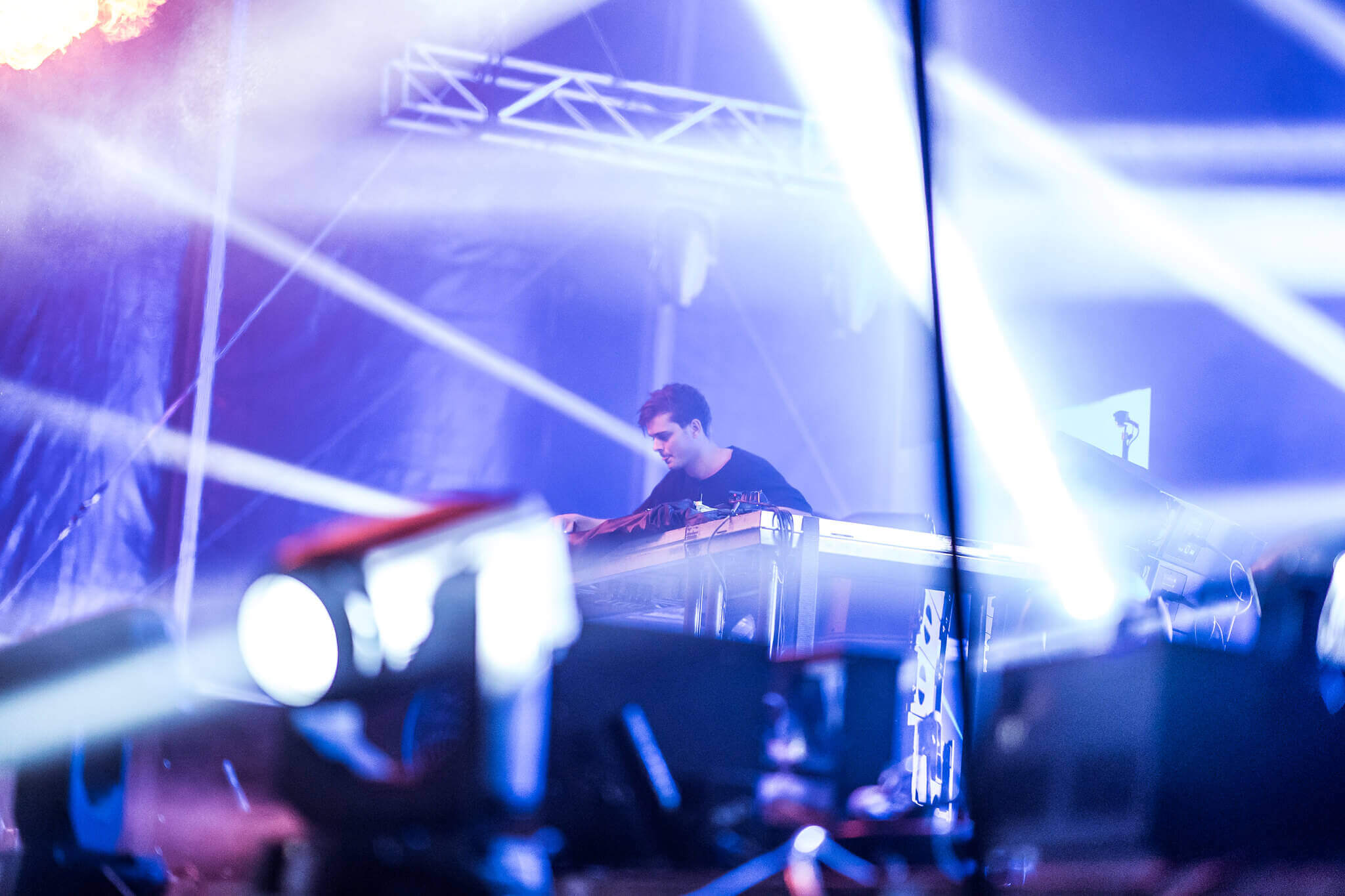
Kad Sunny Hill tika atklāts 2018. gadā, tā pirmais uzdevums bija novērst mūsdienu kartogrāfisku netaisnību. Desmit gadus pēc tam, kad Kosova pasludināja neatkarību no Serbijas pēc bijušās Dienvidslāvijas asiņainā sabrukuma, tās suverenitāte joprojām tika apstrīdēta. Google, Apple un HERE Maps kartēs Kosova bieži parādījās kā pelēks tukšums vai — vēl pazemojošāk — ar nosaukumu “Juhoslāvija”, valsts, kas pazudusi 1990. gadu kariem. Paaudzei, kas uzauga jaunajā republikas valstī, tā bija ikdienas digitāla aizvainošana viņu identitātei. Dukagjin Lipu, agrāk pazīstamu rokroka dziedātāju, nesen atgriezies no Londonnas, uzlūkoja šo neesamību kā ģeopolitisku apvainojumu. Kopā ar savu meitu — tikko uzņēmušos globālu panākumu ar “New Rules” — viņš izdomāja pasākumu, kas pārzīmētu Kosovas vietu pasaules prāta un faktisko kartē, vienlaikus atbalstot vietējās cēlmes lietas. Lipa pieaicināja Martin Garrix (toreiz pasaulē pirmajā vietā esošo DJ) un repa artistu Action Bronson kā galvenos uzstājus trīs elektriskajās naktīs Pristinas Germia parkā. Katrai vakara vakaram divdesmit tūkstoši apmeklētāju aizpildīja Germia parka ieleju, kas jaunajai republikai bija neiedomājams skatījums kultūras pasākumam. Starptautiskie mediji vēroja priecīgo svinību un ziņoja par kartogrāfiem acīmredzamo kļūdu. Jau tolaik līdz decembrim tehnoloģiju giganti sāka atjaunināt Kosovas robežas. Viena nedēļas nogales uzsvērts bass pastiprinājums sasniedza dienās to, ko diplomātija nebija panākusi gadu gaitā.
Tomēr Lipa saime atteicās beigt stāstu ar kartogrāfiju. 2019. gadā Dua Lipas pirmais uzdevums kā UNICEF vēstniece — tikšanās ar bērniem, kas tika pārvietoti Sīrijas karā Libānā — atstāja uz viņu dziļas pēdas. Viņa atgriezās mājās apņēmību pārorientēt festivāla spēku uz jauniešu dzīvi savā reģionā, un Sunny Hill uzmanība pārgāja no redzamības uz humānāro palīdzību. Ar Miley Cyrus un Calvin Harris vadot programmu, Sunny Hill sāka novirzīt ieņēmumus atbalsta projektiem. Tad, tajā novembrī, līdzīgas magnitūdas 6,4 zemestrīce skāra kaimiņvalsti Albāniju — valsti cieši saistītu ar Kosovu etniski un kultūri. Dziļā solidaritātes brīdī Sunny Hill Foundation tajā gadā novirzīja festivāla ieņēmumus, lai izveidotu bērnudārzu Tirānā 300 sociāli nelabvēlīgo bērnu pēc katastrofas. Kad skola atvērās 2021. gadā, tā stāvēja kā taustāma liecība par to, ka biļešu pārdošanas varā var pārvērst ķieģeļus, javu un cerību.
Pandēmija piespieda divu gadu pārtraukumu 2020–21, taču festivāla ambīcijas tikai paplašinājās klusuma laikā. Atgriežoties 2022. gadā, Sunny Hill to darīja ar jaunu saukli, kas bija izdrukāts uz katra aproces: “Set Me Free”. Gadu gaitā Kosova palika vienīgā valsts Eiropas kontinentā, kuras iedzīvotājiem vēl joprojām vajadzēja vīzas, lai iebrauktu Šengen zonā. Vīzu brīvību Kosovas pasātru turētājiem bija solīta 2011. gadā, taču tā solījums netika pildīts. Šī birokrātiskā siena bija pastāvīgs psiholoģisks slogs. Tas nozīmēja, ka pat vietējā komanda, kas organizēja šo pasaules klases festivālu, nācās iziet caur pazemojošu un bieži bezjēdzīgu vīzu procesu tikai tāpēc, lai apmeklētu festivālu kaimiņzemē. Ja to izteiktu amerikāņu valodā, tas bija līdzīgi kā Kalifornijas iedzīvotājam pieteikties vīzei, lai pavadītu nedēļas nogali Lasveģā.

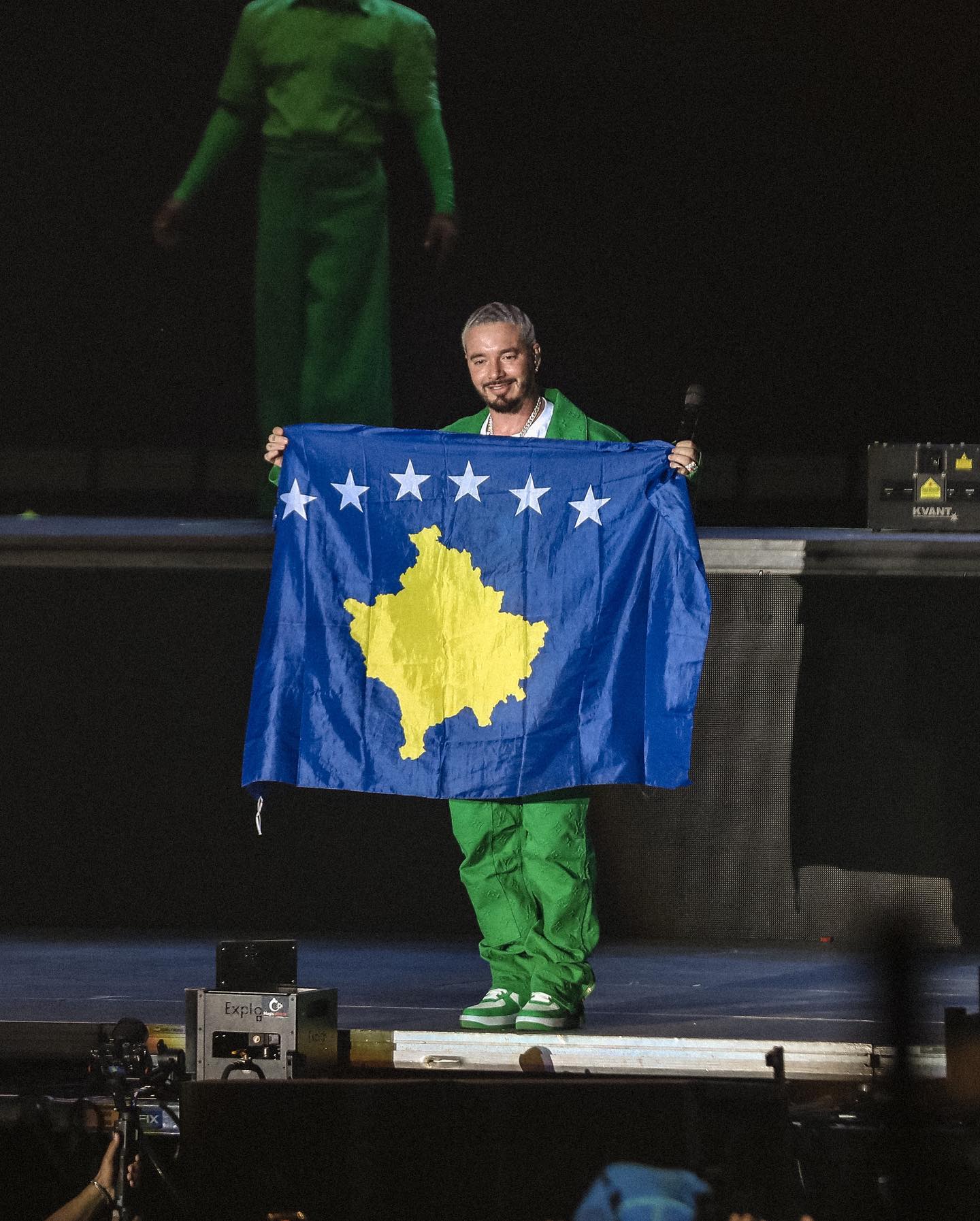
Tajā gadā festivāls kļuva par platformu viņu lūgumam. Kolumbijas superzvaigzne J Balvin, būdams atklājumu kopā ar Dua, Diplo, un Skepta, aptinās Kosovas karogu savas Pristinas uzstāšanās laikā. Viņš apklusa mūziku un vērsa uzmanību uz pūli ar līdzjūtību no kāda, kura pati dzimtene pārvarējusi grūtu pagātni. “Drīz vai vēlāk gaisma vienmēr nāk, un viss būs kārtībā,” viņš teica, balss skanēja pārliecināti. “Turpiniet sapņot un dariet tos par realitāti.” Šis brīdis kļuva par vīrusu ar haštagu #VisaFreeKosovo, pārvēršot vietējo cīņu globālā sarunā. 2024. gada 1. janvārī ES beidzot atcēla vīzu prasības Kosovas pilsoņu ceļošanai. Sunny Hill Vēlreiz bija pārvērsts kultūras vilnis par politiku.
Lai atbilstu tās pieaugošajai misijai un auditorijai, 2023. gadā nebija neviens festivāls. Tā vietā organizatori pārveidoja septiņpadsmit hektāru lielu zemes gabalu Berničas ciematā par mērķtiecīgi veidotu Sunny Hill Festival Park — nodrošinot festivālam pirmo reizi pastāvīgu mājvietu. Kad jaunais norises vietas ansamblis tika atklāts 2024. gada jūlijā, Sunny Hill piesaistīja aptuveni četrdesmit tūkstošus cilvēku dienā ar piecdesmit izpildītāju dalībnieku sarakstu. Programmā bija arī pasaules zvaigznes, piemēram, Bebe Rexha, Burna Boy, Stormzy un DJ Snake, kas uzsvēra, ka Sunny Hill tagad līdzinās Eiropas lielākajiem festivāliem. Izveidots, lai uzņemtu līdz simt tūkstošiem apmeklētāju, parks pēc mēroga tagad tiek salīdzināts ar Koachellu ne tikai pēc izmēriem, bet arī pēc ambīcijām. Tāpat kā Koachella pārvērta tuksneša pilsētu par kultūras svētceļojuma vietu, Sunny Hill dara to pašu arī nacionālā mērogā.

Ārpus festivāla vārtiem Sunny Hill ik gadu ienes Pristinas ekonomikai gandrīz 50 miljonus ASV dolāru. Tūkstošiem starptautisku apmeklētāju ieceļas galvaspilsētā, un viņu izdevumi viesnīcās, transportā, ēdināšanā un vietējo roku darba izstrādājumu iegādē nodrošina svarīgu ārvalūtas plūsmu. Pasākums pievelk arī vadošos biznesa līderus un investorus, piedāvājot nenovērtējamas tīkla veidošanas iespējas Kosovai. Turklāt Sunny Hill ik gadu rada miljoniem dolāru vērta globālu mediju ekspozīciju, veidojot Kosovu kā dinamisku, viesmīlīgu un mūsdienīgu Eiropas galamērķi.
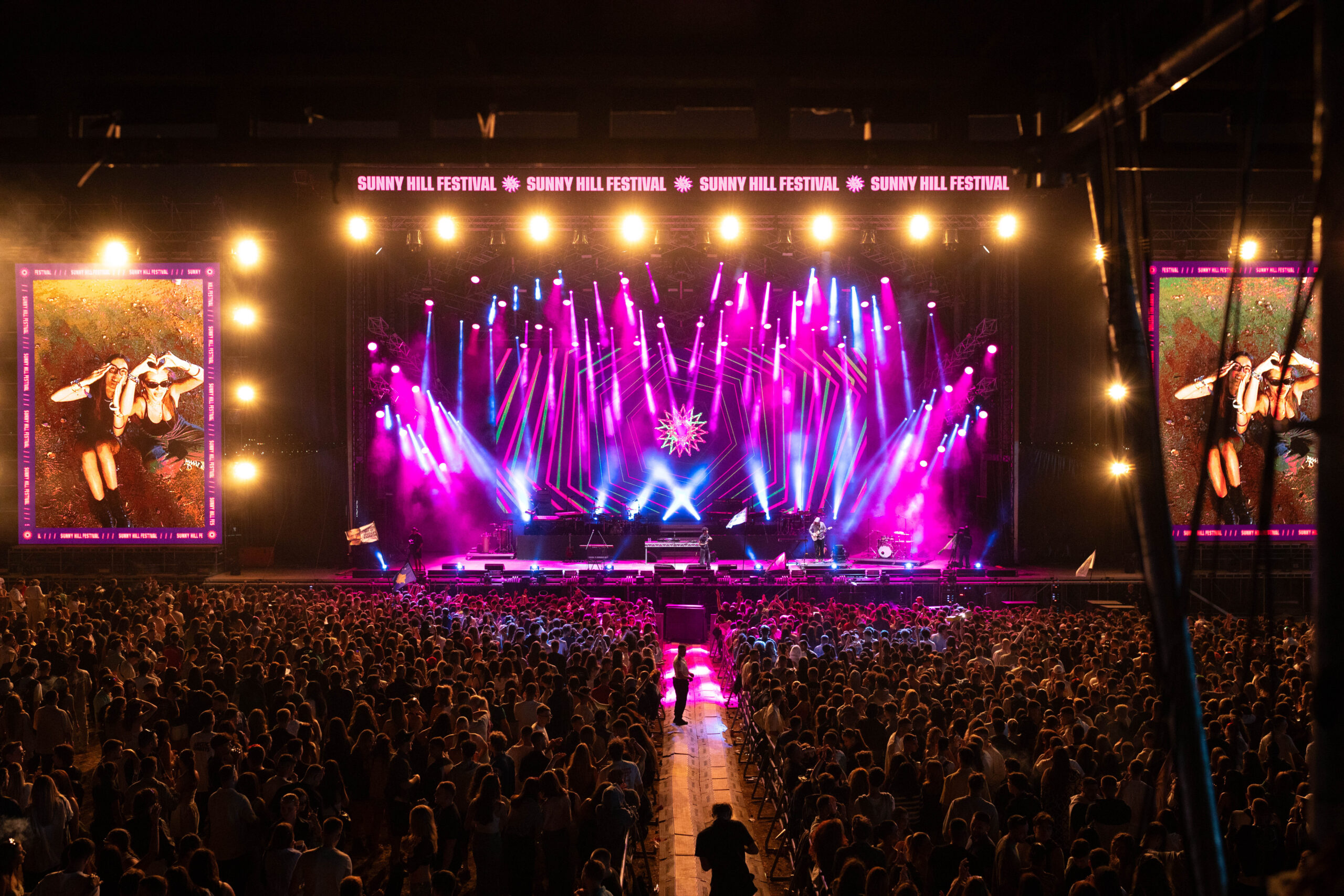
Katrā Sunny Hill izdevumā ir apvienots mērogs ar sociālu mērķi, izmantojot globālo popkultūru, lai sasniegtu taustāmus rezultātus jaunai nācijai, kas vēl joprojām definē savu vietu pasaulē. Kad Dua Lipa viņa paceļ mikrofonu šajā augustā, viņas balss skanēs pār vēl veidojas debesslīniju un iekļūs pasi, kas atkal ir brīvas klejot. Mūzika ilgs tikai trīs naktis, bet valsts atspoguļošana, būvniecība un atbrīvošanās caur mūziku, paliks jūtama daudz ilgāk pēc pēdējā akorda izdzišanas.
Laimīgajiem, kam paveicies piedzīvot Sunny Hill
Kur iegādāties biļetes:
- Biļetes tiek pārdotas tikai caur SunnyHillFestival.com. Ņemot vērā festivāla milzīgo popularitāti, iepirkšanās iepriekš ir ļoti ieteicama — biļetes konsekventi tiek izpārdotas.
Kur nakšņot:
- Sunny Hill Travel: Festivāla oficiālā naktsmītnes rezervēšanas vietne.
- Four Points by Sheraton: Mūsdienīga komforta pieredze ar jumta baseinu pašā Prizrenas centrā.
- Emerald Hotel: Kūrorta stila infrastruktūra starp lidostu un pilsētas centru.
- Derand Hotel: Iedvesmojoša dizaina viesnīca pašā pilsētas centrā.
Kur ēst:
- Tiffany: Mājas stila Kosovas ēdieni bez fiksēta ēdienkartes — virtuve piedāvā sezonālas ēdienus, kas balstīti uz dienas tirgus piedāvājumu.
- Soma Slow Food: Ēdināšanās parka malā ar uzsvaru uz vietējām lēnās ēdināšanas principiem un Balkānu dabīgajiem vīniem.
- Liburnia: Visko albanisku klasiku piedāvājums tradicionālā, vīnogu apsētas pagalma atmosfērā.
- Renaissance: Intīma un tikai pēc iepriekšējas rezervācijas pieejama pieredze ar fiksētas cenas ēdienkarti un izsmalcinātu reģionālo virtuvi.
Kā nokļūt tur:
- Online Taxi: Pilsētas lielākā braukšanas pasūtīšanas lietotne ar skaitītāja tarifiem. Tās automašīnu parks ietver jaunus elektriskos auto un Mercedes sedānus.