Tindakake cara mbukak aman nalika kebakaran Los Angeles lan, utamané, cara nggunakake bantuan FEMA, klaim asuransi, lan sumber daya liyane kanggo mbukak.
Kita bisa nampa bagean saka dodolan yen sampeyan tuku produk liwat pranala ing artikel iki.
Tindakake cara mbukak aman nalika kebakaran Los Angeles lan, utamané, cara nggunakake bantuan FEMA, klaim asuransi, lan sumber daya liyane kanggo mbukak.
Apa sampeyan kudu nindakake banjur yen sampeyan ngalahake rumah utawa bisnis ing Los Angeles Wildfires
Tindakake cara mbukak aman nalika kebakaran Los Angeles lan, utamané, cara nggunakake bantuan FEMA, klaim asuransi, lan sumber daya liyane kanggo mbukak.
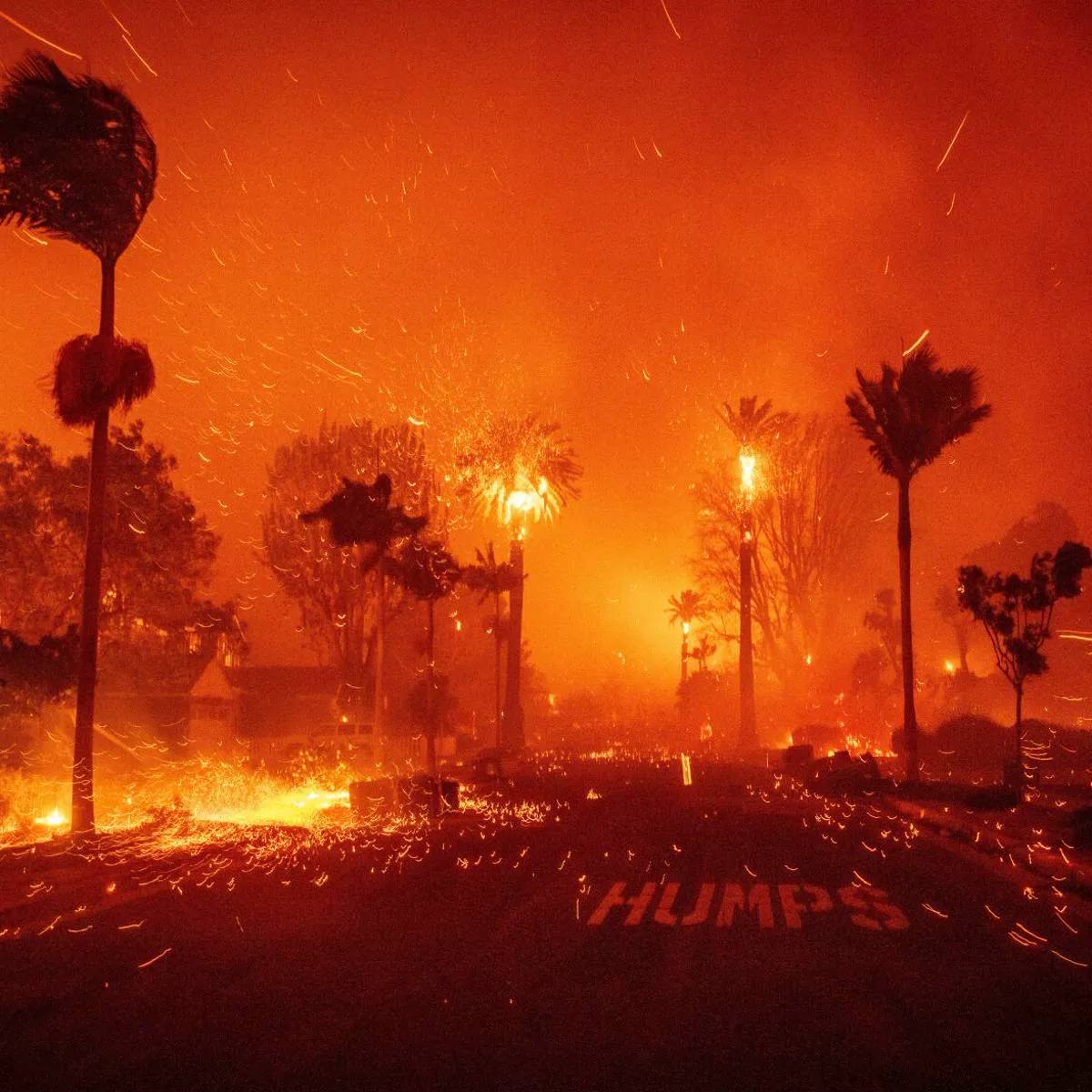
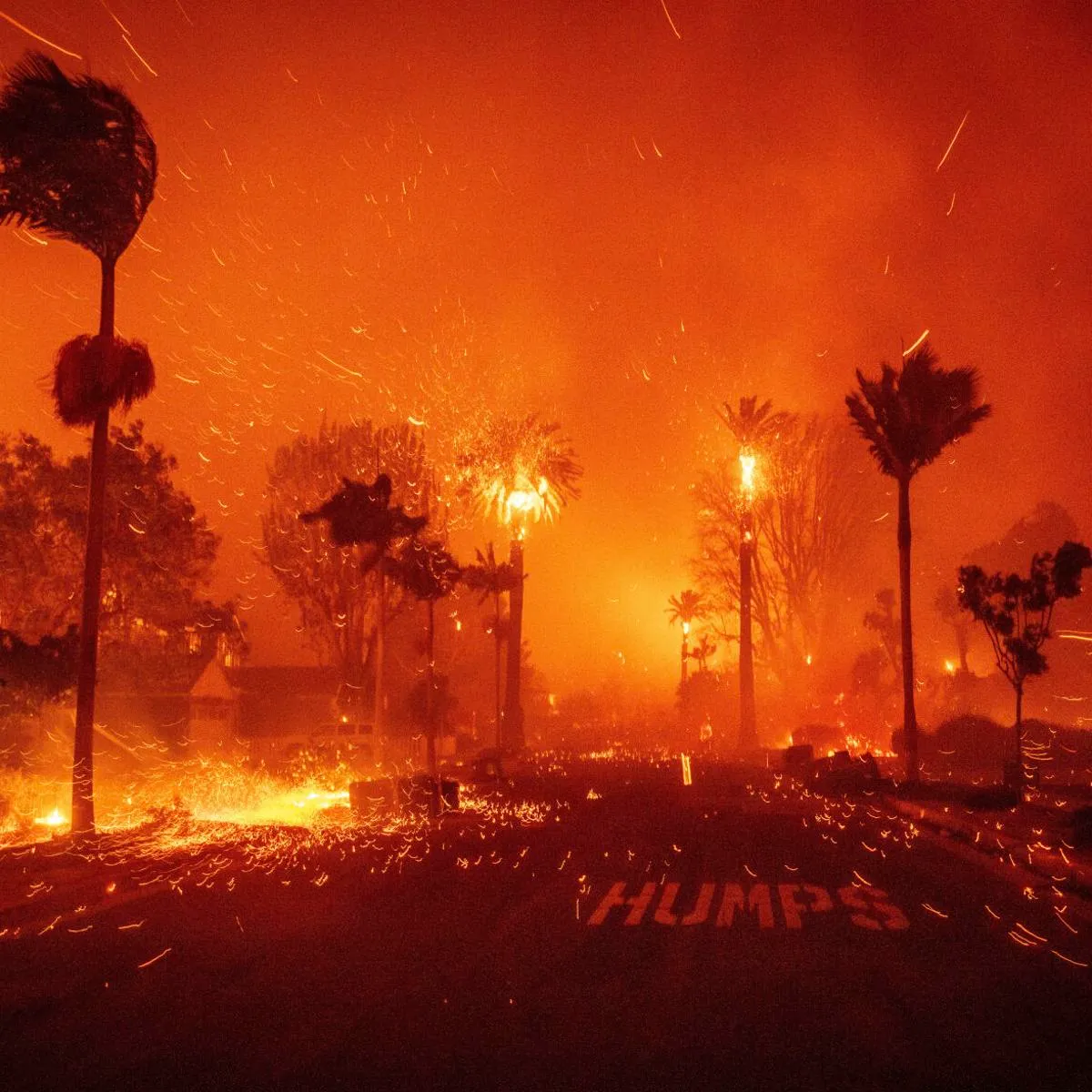
Lambang-lambang liar sing saiki nyebat ing Los Angeles County nggawe krisis sing ora sadurunge, nyebabake ribuan kanggo evakuasi lan nyenengake kotha lan bisnis. Yen sampeyan ana ing area sing terpengaruh utawa wis wis wis wis ngalami kerugian, sampeyan bisa ngandhut campuran emosi: ketidakpastian, lan ndhuwur kesedhiyaan. Artikel iki nyedhiyakake panduan komprehensif kanggo mbantu sampeyan navigasi bahaya langsung saka kebakaran sing ana, akses sumber daya penting, lan miwiti perencanaan kanggo masa depan.
Los Angeles Wildfires: A Guide to Safety, Evacuation, and Assistance
1. Ngatur keamanan lan kesejahteraan
<pfseg id="0">Keamanan lan kesejahteraan keluarga sampeyan paling penting.
Tindak lan Tindak lan Tindak lan Tindak: Sekiripun sampeyan ana ing pangaturan evakuasi wajib, ninggalake langsung. Jangan nganggur. Kehidupan sampeyan luwih penting saka properti.
Pengawasan evakuasi: Sekiripun sampeyan ana ing alarm evakuasi, bersiap-siap kanggo ninggalake ing wektu. Ngumpulake barang-barang penting lan siap kanggo ninggalake.
Stay Informed: Monitor sumber resmi kanggo update real-time:
- Cal Fire: www.caloes.ca.gov
- Cal OES: www.caloes.ca.gov
- La County Emergency Management: www.lacounty.gov/emergency
- Local Law Enforcement: Tindakake akun media sosial kanggo update babagan evakuasi lan penutupan jalan.
- Emergency Alerts: Njenengake alarm darurat liwat sistem pemberitahuan darurat county.
- Warta lokal: Njenengake perhatian ing siaran berita lokal (radio lan televisi).
Prepare a Emergency Kit: Kuring ora wis, bungkus "go-bag" karo:
- Water (1 galon per wong saben dina kanggo kurang saka 3 dina)
- Namun non-perishable (3-day suplai)
- Medikasi (7-day suplai) lan barang medis
- First-aid kit
- Flashlight lan baterai tambahan
- Radio-crank utawa baterai-powered
- Kopi dokumen penting (ID, asuransi, dll.)
- Cash
- Pengganti baju
- Pet supplies (if applicable)
Protect Your Home (If Safe to Do So):
- Clear a defensible space around your home by removing dry vegetation.
- Close windows and doors.
- Turn off the gas supply at the meter if you evacuate.
Air Quality: Be mindful of poor air quality. Limit outdoor activities and keep windows closed. Consult your doctor if you have respiratory issues.
2. Prioritize Your Mental and Emotional Health
Experiencing a disaster can be traumatic. It's essential to take care of your mental and emotional well-being:
- Disaster Distress Helpline: Provides 24/7 crisis counseling and support. Call or text 1-800-985-5990.
- LA County Mental Health Help Line: Call (800) 854-7771 or text "LA" to 741741 for immediate help or to access local mental health services.
- LA County Disaster Distress Helpline: Call 1-800-985-5990 or text "TalkWithUs" to 66746 for emotional support or resources.
- SMC Center for Wellness & Wellbeing: The SMC Center for Wellness & Wellbeing provides culturally appropriate and effective mental health services to students, as well as professional consultation to faculty and staff.
- Reach Out: Talk to family, friends, neighbors, or spiritual advisors.
- Limit News Exposure: While staying informed is important, constant exposure to news coverage can increase stress.
- Self-Care: Try to maintain healthy routines as much as possible, including eating nutritious food, getting some rest, and finding moments of calm.
3. Immediate Assistance: Shelters, Food, and Essential Supplies
If you have been evacuated or need immediate assistance:
American Red Cross:
- Services: Emergency shelters, food, water, emotional support, assistance locating loved ones.
- Contact: 1-800-RED CROSS (1-800-733-2767)
- Find a Shelter: Text "SHELTER" and your ZIP code to 43362 or visit redcross.org/shelter.
Salvation Army:
- Services: Emergency assistance (food, clothing, essential items), emotional and spiritual care.
- Contact: 1-800-SAL-ARMY (1-800-725-2769) or visit their website at www.salvationarmyusa.org.
211 LA and Airbnb.org:
- Services: Airbnb.org is working with 211 LA to offer free temporary housing to those displaced by the wildfires.
- Contact: Contact 211 LA to request assistance.
Local Assistance Centers (LACs):
- Availability: LACs may be set up as the situation evolves. They are one-stop shops for information and assistance.
- Information: Check with Cal OES and your local county for updates on LAC locations and services.
4. Contact Your Insurance Company (If Safe to Do So)
If your property has been damaged and it is safe to do so, contact your insurance company to file a claim.
Gather Necessary Documents: Before contacting your insurance company, gather important documents such as your insurance policy, an inventory of damaged or destroyed items (if you have one), and any receipts or invoices related to repairs or replacements.
Document the Damage: Take photos and videos of the damage to your property and belongings. This documentation will be essential in supporting your claim. Only do this if it is safe to return to the property.
Understand Your Coverage: Ask your insurance agent or representative to explain your coverage limits for rebuilding or repairing your home, replacing personal belongings, and covering living expenses. Standard homeowners and renters insurance policies typically cover wildfire-caused property damage to a home's structure, outbuildings, and personal belongings.
Keep Records: Maintain detailed records of all interactions with your insurance company, including phone calls, emails, and letters.
Insurance Gaps: It's important to review your policy carefully, as many property owners discover they are not fully insured for wildfire damage after a major fire.
- United Policyholders: A non-profit organization that advocates for insurance consumers. They offer resources, workshops, and guidance on navigating the claims process. Visit their website at www.uphelp.org.
5. Government Assistance: Immediate and Future Potential
The federal government has declared a major disaster for California, making federal aid available.
Immediate Focus (Emergency Response):
Federal and state efforts are currently concentrated on:
- Fire Suppression: Funding firefighters, equipment, and resources.
- Evacuations: Supporting evacuation efforts.
- Emergency Shelters: Providing funding for temporary shelters and essential supplies.
Future Assistance (Register with FEMA Now):
FEMA Individual Assistance: Registering with FEMA NOW is crucial to access potential future assistance, which may include:
- Temporary Housing Assistance: Grants for hotels, rentals, or other temporary lodging.
- Essential Home Repairs: Grants to make your primary residence habitable.
- Other Needs Assistance: Funds for medical/dental costs, childcare, moving/storage, and essential personal belongings.
How to Register for FEMA:
- Online: DisasterAssistance.gov (Fastest)
- Phone: 1-800-621-FEMA (3362)
- FEMA Mobile App: Download the app.
Other Potential Long-Term Assistance Programs (Details to Come):
SBA Disaster Loans: Low-interest loans for homeowners, renters, and businesses. Registering with FEMA is a prerequisite. More information: DisasterLoanAssistance.sba.gov.
State Supplemental Grant Program (SSGP): May provide additional financial aid for needs not covered by insurance or other programs. The SSGP is designed to provide financial assistance to eligible individuals and families who have suffered losses due to the disaster that are not fully covered by insurance or other assistance programs. It provides grants to help meet essential needs, such as housing (repair or replacement of owner-occupied homes, including structural repairs, debris removal, and essential utilities), personal property (replacement of essential personal belongings, such as clothing, furniture, and appliances), transportation (repair or replacement of a vehicle if it's essential for work or daily living), medical and dental expenses (costs related to injuries or illnesses caused by the disaster), and funeral expenses (costs associated with disaster-related deaths).
- Who is Eligible? Must be a legal resident of the U.S., must have lived in the affected area at the time of the disaster, must have experienced losses not fully covered by insurance or other assistance, and must meet income guidelines (typically based on family size and income).
- How to Apply: Contact your local county social services agency or the California Department of Social Services (CDSS) for information on how to apply. Be prepared to provide documentation of your losses, income, and other relevant information.
Information will be available through the California Department of Social Services (www.cdss.ca.gov).
Disaster Case Management Program (DCMP): Provides personalized guidance and support throughout the recovery process. The DCMP provides personalized support and guidance to individuals and families throughout the recovery process. A case manager can help you assess your needs and develop a recovery plan, navigate assistance programs, connect with services (housing, employment, mental health, legal assistance, and other essential services), advocate for your needs (help you resolve issues with insurance companies, contractors, or government agencies), and develop long-term recovery strategies (plan for rebuilding, financial stability, and emotional well-being).
- Who is Eligible? Individuals and families affected by the disaster who need help navigating the complex recovery process. Eligibility criteria may vary depending on the specific DCMP program.
- How to Access: Contact your local county emergency management agency or social services department to inquire about DCMP services. FEMA may also refer individuals to DCMP providers.
Information will be available through your local county.
Disaster Legal Services (DLS): FEMA, with the American Bar Association Young Lawyers Division, may offer free legal help to low-income survivors (insurance claims, landlord/tenant issues, etc.).
Disaster Unemployment Assistance (DUA): If you lost your job due to the wildfires, you might be eligible for DUA.
6. Resources from Government and Aid Organizations
Numerous government agencies and aid organizations are offering support to wildfire victims:
FEMA:
- Services: Currently supporting emergency response. Register now for potential future assistance with temporary housing, essential repairs, etc.
- Contact: 1-800-621-3362, www.DisasterAssistance.gov
California Employment Development Department (EDD):
- Services: Information regarding what to do in case of a natural disaster. Assistance for those who may have lost a job due to the disaster.
- Contact: 1-800-300-5616, www.edd.ca.gov
California Department of Housing and Community Development (HCD):
- Services: Disaster Recovery, including assistance and funding for those affected by natural disasters.
- Contact: 916-263-2771, cdbg@hcd.ca.gov, www.hcd.ca.gov
American Red Cross:
- Services: Emergency shelters, food, water, emotional support, assistance locating loved ones.
- Contact: 1-800-RED-CROSS (1-800-733-2767), www.redcross.org
California Fire Foundation:
- Services: Currently unknown. They usually offer grants, but their focus might have shifted due to the wildfires being active.
- Contact: www.cafirefoundation.org
Salvation Army:
- Services: Emergency Assistance (food, clothing, essential items), Emotional and Spiritual Care
- Contact: 1-800-SAL-ARMY (1-800-725-2769), www.salvationarmyusa.org/usn
California Community Foundation:
- Services: Long-Term Recovery Efforts
- Contact: 213-413-4130, www.calfund.org
7. Securing Temporary Housing (If Evacuated)
If you've been evacuated, finding temporary housing is a priority:
- Red Cross Shelters: Text "SHELTER" and your ZIP code to 43362 or visit redcross.org/shelter.
- Airbnb.org and 211 LA: Request free temporary housing assistance through 211 LA.
- FEMA Transitional Sheltering Assistance: May become available as the situation evolves. Registering with FEMA is crucial.
- Hotels Offering Discounts: Some hotels are offering discounted rates for evacuees. The Queen Mary hotel in Long Beach is offering rooms at $189, including a breakfast buffet for two and waived pet and historical preservation fees. Hotels in Big Bear are also offering assistance. Check their websites for more details.
- Additional emergency shelters, animal shelters, housing, and transportation assistance resources.
- Other Options: Staying with family or friends, renting an apartment (short-term), or considering a manufactured housing unit or RV (longer-term).
8. Looking Ahead: Recovery and Rebuilding
The full extent of the damage is still unknown, and the recovery process will be long. Here's what to keep in mind for the future:
Document Damage (When Safe): If your property is damaged and it is safe to return, document everything with photos and videos for insurance and potential assistance claims.
Insurance Claims: Contact your insurance company as soon as it is safe to do so.
Debris Removal: Government-funded debris removal programs may become available. Stay informed through your local county.
Permitting and Reconstruction: If you need to rebuild, you'll need to navigate the permitting process. Local building codes may have changed since the fires began, but you will not know until they have concluded.
SBA Loans: Explore SBA loans for long-term rebuilding.
State and Local Programs: Be aware of potential state and local assistance programs that may emerge.
Rebuild Smarter: Consider fire-resistant materials, defensible space, and updated building codes when rebuilding.
9. Preventing Future Wildfire Risk
Create Defensible Space: Maintain a clear area around your home, free of dry vegetation and flammable materials.
Use Fire-Resistant Materials: When rebuilding or making home improvements, choose fire-resistant roofing, siding, and windows.
Landscaping: Choose fire-resistant plants and maintain your landscaping regularly.
Community Efforts: Support local fire prevention and mitigation programs.
Emergency Watershed Program: The Emergency Watershed Program provides personalized advice and financial assistance to relieve imminent threats to life and property caused by floods, fires, windstorms, and other natural disasters that impair a watershed.
Burned Area Emergency Response (BAER): The BAER program focuses on emergency stabilization and rehabilitation of wildfire-affected areas. This may include actions like planting trees, repairing damage to facilities, and restoring habitats. The BAER program may also install water or erosion control devices, plant for erosion control or stability reasons, install erosion control measures at critical cultural sites, install temporary barriers to protect treated or recovering areas, install warning signs, replace minor safety-related facilities, install appropriate-sized drainage features on roads and trails, remove critical safety hazards, and prevent permanent loss of threatened and endangered habitat. However, it may not replant commercial forests or grass for forage, excavate and interpret cultural sites, replace burned pasture fences, install interpretive signs, replace burned buildings, bridges, corrals, etc., repair roads damaged by floods after fire, or replace burned wildlife habitat.
Emergency Conservation Program and Emergency Forest Restoration Program: These programs provide financial and technical assistance to restore conservation practices like fencing and damaged farmland or forests.
Environmental Quality Incentives Program: This program offers financial and technical assistance to implement conservation practices, such as erosion control measures and tree planting. The Environmental Quality Incentives Program offers financial and technical assistance through contracts that can last up to ten years. They help with improving water and air quality, conserving water resources, enhancing soil health and reducing erosion, improving or creating wildlife habitat, and addressing other natural resource concerns.
- Who is Eligible? Agricultural producers (farmers, ranchers), owners of non-industrial private forestland, and Federally recognized Tribes are eligible.
- How to Apply? Contact your local USDA Service Center or visit the NRCS California website for more information. Applications are accepted on a continuous basis, but there are specific ranking periods for funding consideration.
10. Stay Informed
Cal Fire: www.caloes.ca.gov
Cal OES: www.caloes.ca.gov
La County Emergency Management: www.lacounty.gov/emergency
Local Law Enforcement: Follow their social media accounts.
Sign up for emergency alerts through your county.
Monitor local news broadcasts.
The Los Angeles wildfires present an ongoing and evolving crisis. By staying informed, prioritizing safety, taking immediate action to access available resources, and preparing for potential future needs, you can navigate this challenging situation. Remember, you are not alone. Utilize the resources outlined in this guide, and seek support from government agencies, non-profit organizations, and your community. We will face this challenge together, and in time, we will rebuild.
Heading 2

Heading 3
Heading 4
Heading 5
Heading 6
Loremorem ipsum dolor sit amet, consectetur adipiscing elit, sed do eiusmod tempor incididunt ut labore et dolore magna aliqua. Ut enim ad minim veniam, quis nostrud exercitation ullamco laboris nisi ut aliquip ex ea commodo consequat. Duis aute irure dolor in reprehenderit in voluptate velit esse cillum dolore eu fugiat nulla pariatur.
Block quote
Ordered list
- Item 1
- Item 2
- Item 3
Unordered list
- Item A
- Item B
- Item C
Bold text
Emphasis
Superscript
Subscript